Private Label Pet Carrier: Branding Guide
A private label pet carrier program lets you sell an existing engineered silhouette under your own brand identity, logo system and packaging. Commercial entry is MOQ 500 pieces per colourway, samples run 6-10 working days per round, and bulk ships 35-50 days after sign-off.
This guide is written for brand owners, retail buyers and licensing teams who want their own label on a proven carrier platform instead of developing a product from a blank page. Private label means the base silhouette, pattern and structure already exist; you define the colour system, the material palette within the platform's options, the logo decoration, the woven label, the hang tag and the retail packaging. White label goes one step further and ships an unbranded unit for you to decorate downstream; a true private label program applies your identity during production, which is cheaper per unit and far more consistent in shade and placement. Standard commercial floor is MOQ 500 pieces per colourway, development runs 6-10 working days per sample round, and bulk production runs 35-50 days after sample approval and deposit. Shipments release only against an AQL 2.5 inspection report. The commercial argument is speed and risk: a private label drop can be on shelf in a single quarter, while a ground-up design program needs two. The strategic argument is that identity lives in colour, decoration and packaging, not in the pattern, and those are exactly the elements a private label program lets you control.
Every custom dog carrier we develop is quoted against the same three variables - fabric weight, hardware grade and print method - before the first sample is cut.
Private Label, White Label and ODM: Choosing the Right Entry Model
Three commercial models sit between buying generic stock and designing a product from scratch, and choosing the wrong one is the most expensive mistake a new brand makes. The difference is not academic - it determines how much of the product you own, how fast you can launch, and how much capital is tied up in development before a single unit sells.
White label means an unbranded finished product that you apply your identity to after receipt, usually through a local print shop or a heat-press partner. It has the lowest commitment and the highest per-unit branding cost, and shade consistency between batches is outside your control. Private label means the same base product branded during production, with your woven label sewn in, your logo applied in the chosen method, your colourway dyed to your Pantone reference, and your hang tag and retail box packed at source. Per-unit branding cost drops sharply and shade control improves dramatically. ODM means taking an existing platform and modifying it - a new panel layout, a different ventilation motif, an added pocket - which moves you toward genuine product differentiation at a modest development cost.
The decision rule our brand team uses is simple. If the launch is a test of demand, start white label or minimal private label with one colourway. If the launch is a brand statement with retail distribution already discussed, start private label with two colourways and full packaging. If the category is central to the brand's positioning, go ODM and modify the platform.
| Model | What you control | Typical MOQ | Time to shelf | Best for |
|---|---|---|---|---|
| White label | Downstream decoration only | From 100 pcs | 2-4 weeks after stock | Demand tests, events |
| Private label | Colour, material, logo, label, packaging | 500 pcs per colourway | 55-70 days total | Brand launches, retail |
| ODM | Base platform plus structural changes | 500-800 pcs per colourway | 70-95 days total | Differentiated lines |
| Full custom OEM | Everything, including pattern | 800+ pcs per colourway | 95-130 days total | Signature products |
Note that MOQ applies per colourway, not per style. A brand launching one silhouette in three colourways is committing to roughly 1,500 pieces, which is a very different cash conversation from 500. Most first private label drops therefore run two colourways: one hero and one neutral.
Brand Asset Audit: What Must Exist Before the First Order
A private label program converts brand assets into physical parts, and any asset that is ambiguous becomes a costly revision. Before the first purchase order, a brand should have five things locked: a vector master logo, a defined colour system with physical Pantone references, a typography decision for tags and packaging, a photographic style, and a naming convention for colourways and sizes.
The vector master is non-negotiable. Screen print, embroidery digitisation, woven label looms, rubber patch tooling and metal plate engraving all read vector geometry, and a JPEG master forces a redraw that introduces interpretation errors. Supply the master with a locked aspect ratio and a documented clear space so that every application in the program holds the same proportions.
The colour system needs physical references because screens lie. A hex value converted to a Pantone code under office light is a guess, and the guess gets expensive when it is dyed into 500 shells. Issue a Pantone code for each brand colour, and state which codes apply to fabric, which to thread, which to print ink and which to paper stock, since a single code renders differently across those four substrates.
Typography decisions matter more than most teams expect, because hang tags, care labels and insert cards are typeset at small sizes on absorbent stock. A typeface with thin hairlines will fill in on uncoated kraft. Test the exact tag specification, not a screen mock-up.
Colourway naming is a branding lever that costs nothing. Names such as Slate, Oat, Forest and Clay position a product and make a size matrix readable on a product page; codes such as BLK-01 do neither. Fix the naming convention before packaging artwork starts, because renaming a colourway after the hang tags are printed means reprinting them.
Product Architecture: Three Skus Beat Twelve
New brand teams almost always over-range. The instinct is to offer every size and every colour, but inventory risk grows multiplicatively with the size-by-colour matrix while demand concentrates in a small corner of it. A disciplined private label launch is built on a narrow grid that can be expanded once real sell-through data exists.
A workable first architecture is one silhouette, two or three sizes, two colourways. That is four to six SKUs, which is enough to look like a range on a shelf or a category page and small enough to be funded and reordered. The sizes should cover the weight bands that actually dominate the market, and the colourways should be one expressive hero and one safe neutral that appeals to the gift buyer.
Expansion then happens along a deliberate axis rather than in every direction at once. Season two adds a colourway to the existing silhouette - the cheapest possible expansion, since the pattern, tooling and packaging dieline already exist. Season three adds a decoration upgrade or a premium variant with better hardware and a matching accessory. Season four introduces a second silhouette. Each step reuses the assets of the previous one, which is how a range compounds instead of resetting.
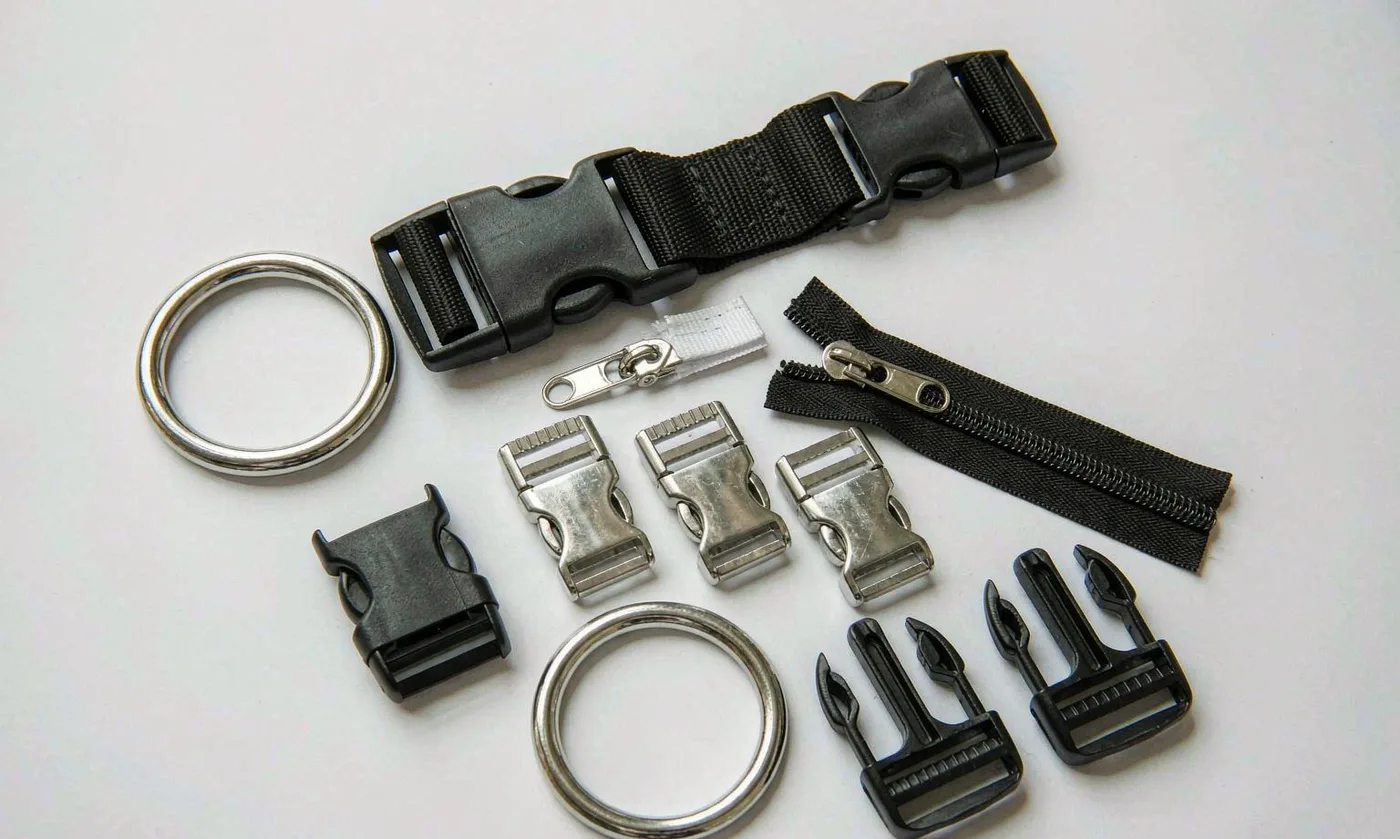
Accessories deserve a specific note, because they are the highest-margin entry point into a carrier line. A matching poop bag holder, a coordinated collar or a small treat pouch shares the brand's colour system and decoration method, carries a much lower absolute cost per unit, and creates the "complete set" basket that lifts average order value. Several of our brand clients launch the accessory first to fund the carrier drop.
The discipline is to treat SKU count as a budget line. Every additional colourway carries a dye lot minimum and a packaging print run; every additional size carries a packaging dieline and a carton cube. Ask what each SKU is expected to teach or earn before it is approved.
Colourway Strategy and Seasonal Extensions
Colour is the cheapest way to make an existing product feel new, and the most dangerous way to blow a budget, because every colourway is a production commitment. A workable strategy separates the colour system into a permanent core and a rotating seasonal layer.
The core is two to three shades that never change: usually a dark neutral, a light neutral, and one brand hero. Core shades are reordered every season, which stabilises dye lots and lets the brand hold stock without deep discounting. They are also the shades used for the woven label background, the binding and the zipper tape, so that trim can be bought in volume once and used across all colourways - a meaningful unit-cost lever.
The seasonal layer is where a brand experiments: one or two shades per drop, tied to a theme, a collaboration or a retail exclusivity window. Seasonal shades are produced once, sell through, and do not return. This creates the scarcity that drives full-price sell-through without permanently expanding the SKU grid.
Colour matching is executed against Pantone references and approved under controlled lighting, because the commercial risk is not that a shade is wrong but that two pieces in the same shipment differ from each other. Shade tolerance is agreed numerically before bulk, and a dye lot outside tolerance is re-submitted rather than negotiated after shipment. Colour fastness to rubbing, washing and light is tested using recognised textile methods published by AATCC, with the darkest shade in the system tested first because it is always the one that fails.
Material certificates close the colour conversation. Where a retail buyer requires documented textile safety, fabrics can be supplied to OEKO-TEX Standard 100, and certificate numbers should be collected at sample stage rather than at shipment. A certificate that arrives late cannot rescue a rejected delivery.
Logo Decoration as a Brand System
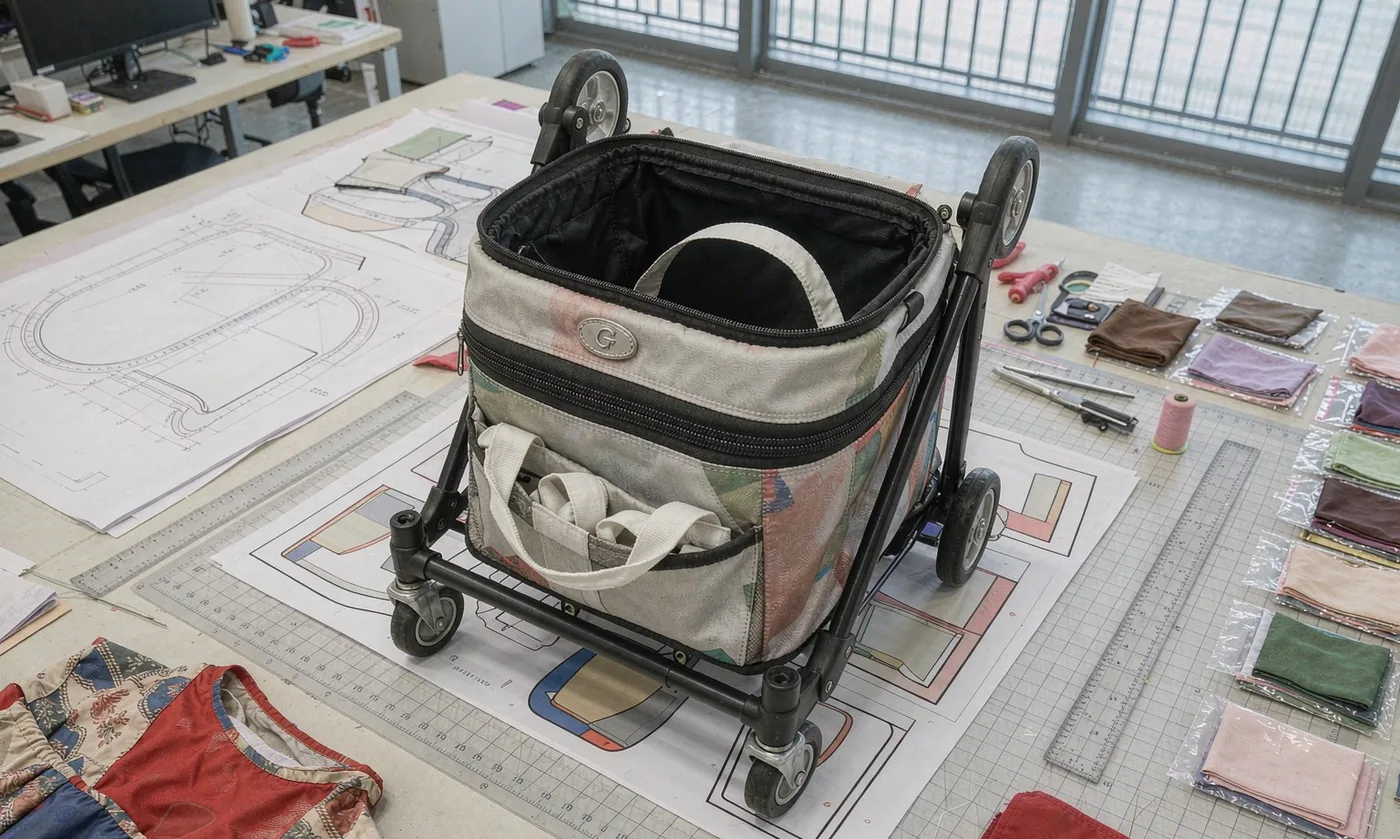
Decoration is not a single decision but a system of three coordinated applications: a primary mark, a secondary mark and a recurring motif. Brands that treat decoration as one logo in one place end up with a product that looks unfinished; brands that treat it as a system look established even at low volume.
The primary mark carries recognition and should appear once, large, in the three-quarter hero view. Screen print suits flat panels and one to three spot colours; heat transfer suits gradients; embroidery suits heritage and outdoor positioning; a rubber or silicone patch suits streetwear positioning and works well on curved or padded surfaces where printing struggles.
The secondary mark adds credibility and usually lives on a woven label at the side seam, on a zipper pull, or on an end cap. Woven labels are the highest perceived-value item per cent in the entire program, because customers read woven as permanent and premium. A damask woven label in the brand's own colours costs a fraction of a percent of unit price and moves the product up a visual tier.
The recurring motif is what makes the product recognisable at distance: a repeated micro-pattern on the handle wrap, a perforation rhythm in the ventilation field, a printed lining pattern, or a binding colour used consistently. Motifs cost almost nothing in production and do most of the work in making a product identifiable in a photograph.
Consistency rules should be written down. One method per substrate, one clear space around every mark, one thread colour system shared by embroidery and woven labels, and one approval sample photographed and archived as the reference for reorders. Detailed method comparisons are covered in our printing and embroidery guides, and the woven label system is covered separately in our custom woven label brand identity guide.
Retail Readiness: Barcodes, Tags and Compliance Copy
A private label product is not retail-ready when it looks good; it is retail-ready when it scans, is traceable and carries the right statements. Buyers reject on administration far more often than on aesthetics, and every one of those rejections is avoidable at the design stage.
Barcoding is the first gate. Each SKU - each size-by-colourway combination - needs its own GTIN, printed on the hang tag or the retail box at a scannable size and contrast. A barcode printed small in light grey on kraft is a barcode that fails at the till. Our packaging team sets a minimum quiet zone and a minimum magnification before artwork is released.
The hang tag is the compliance surface and should carry: brand and product name, size and colourway name, material composition, country of origin, care instructions, the GTIN, and any market-specific statement required by the retailer. Country of origin and fibre composition are legally meaningful in most markets, so the copy should be verified against the destination, not copied from another brand's tag.
Market-specific statements depend on where the product is sold. Programs sold in California are commonly asked to address Prop 65, and the relevant guidance is published by the state authority at OEHHA; children's product and general consumer safety expectations in the United States are administered by the U.S. Consumer Product Safety Commission. European programs are screened against REACH substance restrictions. Decide the destination list before materials are booked, because a late market change can invalidate an approved material set.
Carton marking and packing count are the last administrative items. Retailers specify carton labels, packing counts and sometimes pallet patterns; getting them wrong causes receiving delays that are charged back to the brand. Request the retailer's vendor guide early and build the carton specification from it.
Launch Sequencing: Core Drop, Colour Drop, Collaboration
Launch sequencing is the part of private label strategy that most brand teams improvise, and it is where margin is won or lost. A sequence converts one development investment into several selling moments, and it should be sketched before the first purchase order rather than after the first sell-out.
The core drop establishes the line: one silhouette, two colourways, complete packaging, full price. Its job is to set the brand's price and visual position and to generate the photography, reviews and size data that everything else will reuse. It should not discount in the first eight to twelve weeks, because the price point set here becomes the reference for every later comparison.
The colour drop follows, typically one to two quarters later, reusing the same pattern, tooling and packaging dieline with a new shade and possibly a new lining print. Because development work is already paid for, the colour drop carries a materially lower cost per launch and can be used to test a bolder palette with limited risk.
The collaboration or limited drop is the third beat, and it is where private label programs earn disproportionate attention. A limited run - 300 to 800 pieces, a co-branded woven label, a distinctive colourway, numbered hang tags - creates urgency without permanent inventory risk, and it generates the imagery that lifts the whole line. Limited runs should be planned against real capacity, since a custom colourway still has to clear a dye lot minimum.
Finally, plan the reorder trigger. Define the sell-through percentage at which a reorder is placed, and place it early enough that a 35-50 day production cycle plus transit lands before the stockout. Stockouts in a first season are the most common reason a promising private label line fails to reach a second.
Unit Economics and the Levers That Actually Move Cost
Unit price in a private label carrier program is set by five levers, and three of them are commonly misunderstood. Understanding which lever moves which number is what turns a price negotiation into a design conversation.
Material palette is the largest lever and moves cost in steps, not smoothly: moving from a 300-denier to a 600-denier shell, or from a plain lining to a printed one, changes the price band. Hardware finish is the highest-leverage small change, because a matched light-gold or gunmetal set costs a modest increment and lifts perceived value substantially. Decoration method is driven by set-up charges and by colour count, so reducing a four-colour print to two colours saves more than most fabric downgrades.
Quantity is the lever everyone thinks of first and it is real but non-linear: the step from 500 to 1,000 pieces improves unit cost through set-up amortisation, while the step from 1,000 to 5,000 is a flatter curve dominated by material yield. Packaging is often the most under-managed lever: a four-colour rigid box can cost more than the fabric in a small carrier, and a well-designed folding carton with one spot UV can deliver the same shelf impact for a fraction of the cost.
Freight is the final lever and it belongs to the design stage. Carton cube is determined by whether the product ships assembled, flat-packed or nested, and a design that nests saves money on every single reorder for the life of the product. Ask for the packed cube per carton at sample stage, not at booking.
Throughout, quality must hold: every shipment is inspected to AQL 2.5 before release, and the quality system behind production is maintained to ISO 9001 requirements, with independent verification available from third-party bodies such as SGS. A cheaper unit that fails inspection is not a cheaper unit.
Photography, Product Page and Packaging Alignment
A private label line is judged three times: on the shelf, on the product page, and in the customer's hands. Those three judgements should describe the same product, and aligning them is a design task that costs nothing but attention.
The shared asset is the hero shot. One three-quarter view, one consistent lighting setup, one background treatment and one styling language should appear on the retail box, on the product page's first image, and in any paid social creative. When the box shows a warm lifestyle scene and the product page shows a cold studio cut-out, the customer experiences two different brands and trusts both less.
Scale cues are the most commonly missing element in pet carrier photography. A carrier photographed alone gives no sense of size, which is the single biggest driver of size-related returns. Include one frame with a hand on the handle and one with a pet of a stated weight inside, and state the interior floor dimensions in the copy rather than only the size label.
Colour rendering needs the same discipline as physical approval. Photography should be colour-corrected against the approved Pantone reference so that the shade a customer sees is the shade that arrives; an uncorrected shoot makes every colourway look slightly different from the physical product and generates avoidable returns.
Packaging and page should also share copy architecture. The same three benefit lines, in the same order, on the box and at the top of the product page, reinforce each other. Claim consistency matters legally as well: a material or sustainability claim printed on the box must match the claim on the page and the claim supported by the certificate in the program file.
Finally, plan the second use of every asset. A photoshoot that produces a hero shot, a detail set, a scale set and a lifestyle frame in one session costs marginally more than a hero-only session and supplies the box, the page, the marketplace listings and the social calendar for a full season.
Order and quality terms
- MOQ 500 pieces per colourway; samples in 6-10 working days
- Bulk production 35-50 days after approval; AQL 2.5 inspection standard
- T/T 30/70 terms, FOB Xiamen, full document set per shipment
People Also Ask
Is private label cheaper than designing from scratch?
Yes. A private label drop reuses an existing pattern and platform, removing most development cost and compressing the timeline to 55-70 days, while full custom design typically needs 95-130 days and higher minimums.
How many SKUs should a first private label drop include?
Four to six: one silhouette, two or three sizes, two colourways. That is enough to read as a range while keeping dye lot and packaging commitments inside a fundable budget.
Can I put my own brand on an existing carrier design?
Yes. That is the core of private label: existing structure, your colour system, your decoration, your woven label, your hang tag and your retail box applied during production.
What makes a private label product look premium?
Hardware finish, a woven label rather than a printed one, a coherent colour system across shell, thread and trim, and packaging designed as one piece rather than assembled from defaults.
How do I avoid a stockout in the first season?
Define a sell-through trigger and place the reorder early enough that 35-50 days of production plus transit lands before stock runs out. Reorders in the first season are the most common failure point for new lines.
Should a first drop discount?
No. The first eight to twelve weeks set the reference price for every later comparison, so hold full price and use packaging, content and service to justify it instead.
How do seasonal colourways work?
Core shades stay permanent and reorderable; seasonal shades run once, sell through and do not return. This creates scarcity without permanently expanding the SKU grid.
Frequently Asked Questions
What is the difference between private label and white label?
White label ships an unbranded product that you decorate after receipt. Private label applies your colourway, logo, woven label, hang tag and retail packaging during production, giving lower branding cost per unit and much tighter shade and placement consistency.
What is the MOQ for a private label pet carrier?
MOQ 500 pieces per colourway is the standard commercial floor. The figure reflects fabric dye lot minimums, trim minimums and decoration set-up amortisation; ordering three colourways of one style means committing to roughly 1,500 pieces.
How long does a private label launch take?
Allow 55-70 days from signed artwork to shipped goods: 6-10 working days per sample round, usually two to three rounds, then 35-50 days of bulk production after sample approval and deposit, plus transit to your distribution centre.
Can we use our own Pantone colours?
Yes. Colourways are dyed to a Pantone reference and approved under controlled lighting with an agreed numeric shade tolerance. Codes should be specified separately for fabric, thread, print ink and paper, since one code renders differently across substrates.
Do we need vector artwork?
Yes. Screen print, embroidery digitisation, woven label looms, patch tooling and plate engraving all require vector geometry. Supply a vector master with a locked aspect ratio and documented clear space.
Can we launch with only one colourway?
Yes, and it is a sensible way to test demand, though two colourways - one hero and one neutral - usually perform better at retail because the neutral captures gift and first-time buyers.
Who owns the tooling and artwork?
Your brand artwork and any custom tooling developed for your program are treated as yours. Standard platform tooling that exists before your program remains part of the shared platform.
Can packaging be customised at low volumes?
Yes. Hang tags and insert cards have low minimums and can be fully customised; printed folding cartons carry higher print minimums, so artwork is usually designed to a stock dieline for first drops.
What inspection standard applies before shipping?
Final random inspection follows an AQL 2.5 sampling plan with critical, major and minor defect classifications, and no shipment releases until the written report is issued and accepted.
Can we add matching accessories later?
Yes. Collars, leashes, treat pouches and bag holders can share the same colour system and decoration method, reuse approved artwork, and be added without redeveloping the carrier.
What compliance documents can you provide?
Material screening against REACH for EU programs, OEKO-TEX certified fabrics on request, CPSIA and Prop 65 considerations for the US market, plus test reports from recognised laboratories when a retailer requires them.
What are the payment and shipping terms?
T/T 30/70 with FOB Xiamen is standard. Production begins after sample approval and deposit clearance; the balance is settled against the shipping documents.
Talk to QUANZHOU JUNYUAN BAGS about a pet carrier program: MOQ 500 pieces per colourway, samples in 6-10 working days, bulk production in 35-50 days under AQL 2.5 inspection.
Get a free quote Request a sample