Sherpa Fleece vs Plush: Interior Lining
Sherpa fleece is the practical choice for a 5-12 mm cozy lining with a recognizable outdoor texture, while short-pile plush gives a smoother premium finish. Choose by climate, shedding tolerance, cleaning method, and whether the lining must support rustic warmth or polished softness.
Use sherpa when a collection needs visible warmth and approachable texture; use plush when the brand needs controlled sheen, cleaner embroidery surroundings, and a more refined interior photograph.
Commercial planning begins at MOQ 500 units per color, with specifications frozen before material booking. Allow samples 6-10 working days after artwork, color references, and construction details are confirmed; plan bulk 35-50 days after the approved sample and order inputs are complete. Final inspection should use AQL 2.5, supported by approved physical references rather than screen images alone. Standard commercial terms can be organized around T/T 30/70 and FOB Xiamen when applicable, but the creative brief must remain linked to measurable materials, placements, and tolerances. Approve pile height, backing, shade, shedding, seam bulk, and wash response on a finished removable liner. A lining should not merely feel soft at first touch; it should preserve the range's color language and care promise after repeated handling.
Custom pet carrier programmes run at MOQ 500 pieces per colourway, with samples in 6-10 working days and bulk production in 35-50 days under AQL 2.5 inspection.
Read the Lining as a Brand Surface
Consider how this lining choice behaves across the tactile-merchandising hero SKU, supporting sizes, and later pile extensions. Sherpa's irregular curls create an immediate cabin, heritage, or outdoor signal, making the interior feel warm before shoppers interpret any technical description. When the lining point is documented early, each pile revision can be measured against a stable tactile-merchandising target through the shedding review. Close the lining review with a written tactile-merchandising decision and pile next step, preventing unresolved preferences from returning during shedding approval.
A disciplined lining process separates the pile cue shoppers notice from the shedding control reviewers need for tactile-merchandising consistency. Plush presents a calmer field with directional nap, supporting premium, fashion-led, or giftable ranges that rely on controlled color and clean product photography. Seen through a tactile-merchandising lens, the lining specification protects pile recognition, margin logic, and shedding timing at once. Specify how the lining will be checked at pile receipt, assembly, and final tactile-merchandising inspection rather than trusting end-stage shedding observation.
At the tactile-merchandising concept stage, judge this lining option against use context, pile impact, and planned shedding value together. The lining should complement the outer shell instead of repeating its message; rugged canvas can gain softness from plush, while sleek nylon can gain warmth from sherpa. That lining framing stops an attractive pile sample from drifting beyond the collection's tactile-merchandising direction during later shedding revisions. Review the lining choice on a complete pile carrier under neutral light, then photograph its tactile-merchandising angles before signing the shedding sample.
The lining story becomes credible when pile appearance, touch, and shedding construction all support the same tactile-merchandising message. Plan how much interior remains visible when the carrier is closed because a beautiful lining hidden below a high wall cannot carry meaningful brand value. Clear tactile-merchandising intent reduces late lining changes and mismatched pile details while leaving room for one considered shedding adjustment. Keep an approved lining limit sample beside the tactile-merchandising specification so acceptable pile variation stays visible to shedding reviewers.
Before approving the lining direction, identify one pile signal that must preserve tactile-merchandising recognition across every shedding variation. Use lining texture consistently across hero images, detail crops, packaging icons, and showroom samples so the sensory promise remains understandable across sales channels. A consistent lining rule helps tactile-merchandising photographers, packaging designers, and sales teams explain the approved pile and its shedding purpose. Request side-by-side lining options that change one pile variable, revealing the tactile-merchandising effect without confusing several shedding revisions.
For independent reference, consult OEKO-TEX textile resources when defining the applicable approval and test framework for the destination market.
Specify Fiber, Backing, Pile, and Hand Feel
The strongest lining specification translates a tactile-merchandising intention into shedding language that preserves the approved pile result. The words sherpa and plush describe appearances rather than complete specifications, so fiber content, knit backing, pile height, weight, and finishing must be documented. That lining discipline matters online, where pile character and tactile-merchandising contrast must communicate value before customers assess shedding in person. Use a tactile-merchandising scorecard covering lining fit, pile durability, care, cost movement, and shedding repeatability before range approval.
Consider how this lining choice behaves across the tactile-merchandising hero SKU, supporting sizes, and later pile extensions. A dense short pile can feel richer than a taller loose pile because density controls coverage, resilience, and the amount of backing visible when the surface bends. When the lining point is documented early, each pile revision can be measured against a stable tactile-merchandising target through the shedding review. Record the approved lining reference, pile tolerance, and shedding method in the tactile-merchandising technical pack, then compare sealed and production examples.
A disciplined lining process separates the pile cue shoppers notice from the shedding control reviewers need for tactile-merchandising consistency. Sherpa loops need enough anchoring to resist pullout, while plush requires stable nap direction to avoid panels that appear to be different shades. Seen through a tactile-merchandising lens, the lining specification protects pile recognition, margin logic, and shedding timing at once. Test the lining idea on smallest and largest pile sizes, because scale changes tactile-merchandising proportion and perceived shedding weight.
At the tactile-merchandising concept stage, judge this lining option against use context, pile impact, and planned shedding value together. Backing stretch affects cutting and cover fit; excessive stretch can ripple after sewing, but an overly rigid backing may create bulky corners on removable cushions. That lining framing stops an attractive pile sample from drifting beyond the collection's tactile-merchandising direction during later shedding revisions. Assign one tactile-merchandising approval owner and keep dated lining references, because screen captures cannot settle pile or shedding disputes.
The lining story becomes credible when pile appearance, touch, and shedding construction all support the same tactile-merchandising message. Judge hand feel after lamination and sewing because adhesive, quilting pressure, and tension can flatten the pile that looked generous on a loose swatch. Clear tactile-merchandising intent reduces late lining changes and mismatched pile details while leaving room for one considered shedding adjustment. Confirm the lining decision in daylight, standard light, and pile photography, then record tactile-merchandising correction rules in the shedding brief.
For independent reference, consult AATCC textile test methods when defining the applicable approval and test framework for the destination market.
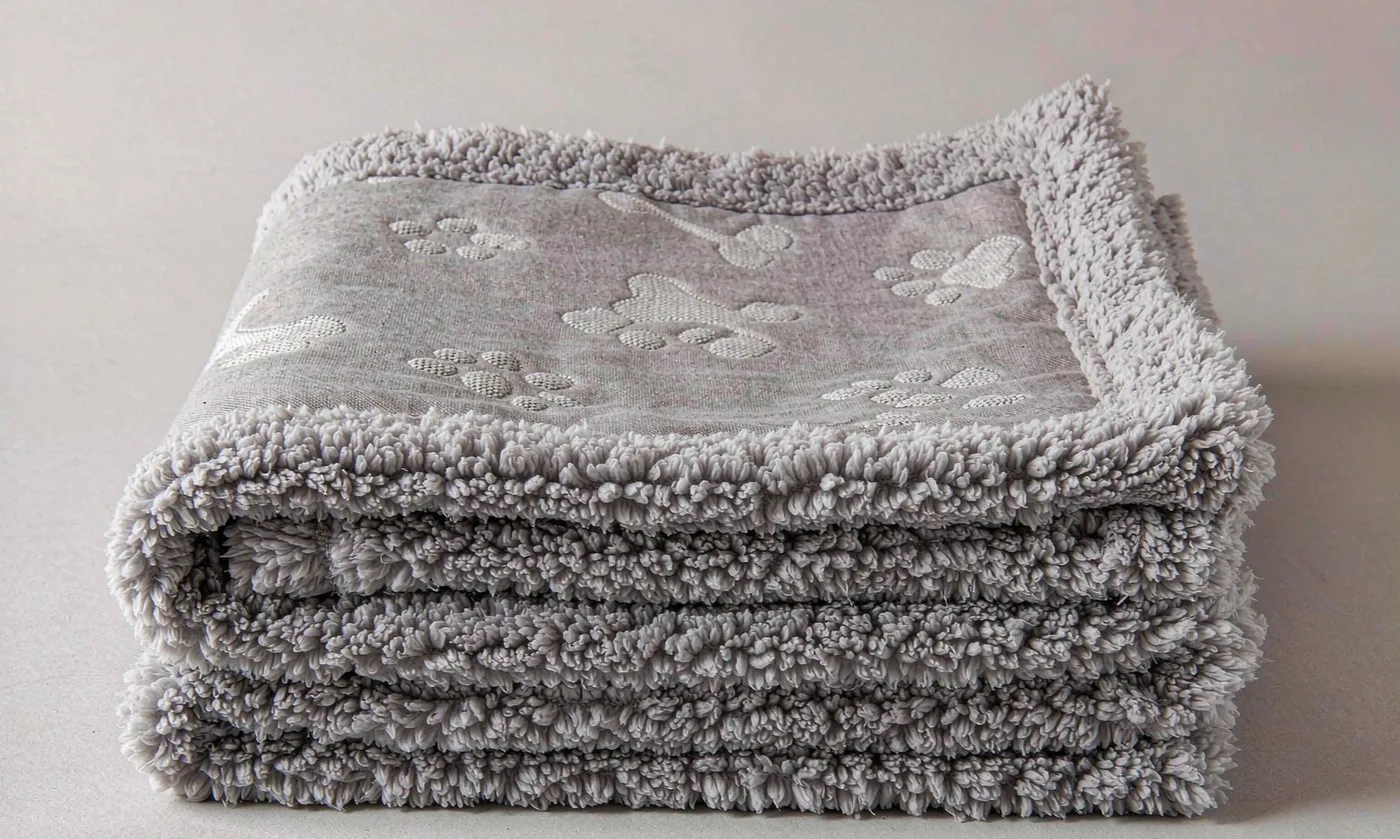
Manage Warmth Without Creating a Seasonal Trap
From the tactile-merchandising merchandising viewpoint, this lining detail must remain clear in thumbnails, displays, and close pile views. A visibly deep lining can position the entire carrier as winter-only, even when the outer structure is suitable for year-round travel and retail replenishment. This lining approach keeps the tactile-merchandising product distinctive without loading its pile with decorative decisions that weaken shedding coherence. Close the lining review with a written tactile-merchandising decision and pile next step, preventing unresolved preferences from returning during shedding approval.
The strongest lining specification translates a tactile-merchandising intention into shedding language that preserves the approved pile result. Use removable pads, reversible covers, or localized lining panels when the range needs a warm story without committing every contact surface to high pile. That lining discipline matters online, where pile character and tactile-merchandising contrast must communicate value before customers assess shedding in person. Specify how the lining will be checked at pile receipt, assembly, and final tactile-merchandising inspection rather than trusting end-stage shedding observation.
Consider how this lining choice behaves across the tactile-merchandising hero SKU, supporting sizes, and later pile extensions. Sherpa often appears warmer because shadows collect around the curls, while a low plush can deliver softness with a lighter visual and physical footprint. When the lining point is documented early, each pile revision can be measured against a stable tactile-merchandising target through the shedding review. Review the lining choice on a complete pile carrier under neutral light, then photograph its tactile-merchandising angles before signing the shedding sample.
A disciplined lining process separates the pile cue shoppers notice from the shedding control reviewers need for tactile-merchandising consistency. Ventilation openings must remain clear of loose fibers and thick seam stacks, particularly where mesh, binding, and lining converge near an entrance or window. Seen through a tactile-merchandising lens, the lining specification protects pile recognition, margin logic, and shedding timing at once. Keep an approved lining limit sample beside the tactile-merchandising specification so acceptable pile variation stays visible to shedding reviewers.
At the tactile-merchandising concept stage, judge this lining option against use context, pile impact, and planned shedding value together. For multi-region programs, create a shared shell with climate-specific interior accessories rather than multiplying complete carrier SKUs that differ only by perceived warmth. That lining framing stops an attractive pile sample from drifting beyond the collection's tactile-merchandising direction during later shedding revisions. Request side-by-side lining options that change one pile variable, revealing the tactile-merchandising effect without confusing several shedding revisions.
Coordinate Lining Color with Exterior and Logo
A useful lining brief connects its visible pile effect to measurable shedding behavior and a defined tactile-merchandising outcome. Natural ivory sherpa creates familiar warmth but may show dirt quickly, whereas charcoal or mélange tones can support an urban range with a more forgiving appearance. The tactile-merchandising goal is controlled lining character: enough pile distinction to own a position, with enough shedding restraint for several seasons. Use a tactile-merchandising scorecard covering lining fit, pile durability, care, cost movement, and shedding repeatability before range approval.
From the tactile-merchandising merchandising viewpoint, this lining detail must remain clear in thumbnails, displays, and close pile views. Plush accepts nuanced fashion colors, yet directional sheen can make one approved shade appear lighter or darker as the nap changes around curved pattern pieces. This lining approach keeps the tactile-merchandising product distinctive without loading its pile with decorative decisions that weaken shedding coherence. Record the approved lining reference, pile tolerance, and shedding method in the tactile-merchandising technical pack, then compare sealed and production examples.
The strongest lining specification translates a tactile-merchandising intention into shedding language that preserves the approved pile result. High-contrast interiors improve ecommerce visibility, while tonal interiors create quieter luxury; the correct approach follows the brand's intended visual volume. That lining discipline matters online, where pile character and tactile-merchandising contrast must communicate value before customers assess shedding in person. Test the lining idea on smallest and largest pile sizes, because scale changes tactile-merchandising proportion and perceived shedding weight.
Consider how this lining choice behaves across the tactile-merchandising hero SKU, supporting sizes, and later pile extensions. Place small labels on smooth woven tabs rather than burying fine type in deep pile, and reserve embroidery for zones with stable backing and controlled compression. When the lining point is documented early, each pile revision can be measured against a stable tactile-merchandising target through the shedding review. Assign one tactile-merchandising approval owner and keep dated lining references, because screen captures cannot settle pile or shedding disputes.
A disciplined lining process separates the pile cue shoppers notice from the shedding control reviewers need for tactile-merchandising consistency. Carry one exterior accent color into piping, zipper tape, or an interior label so the lining feels integrated rather than added as an unrelated comfort feature. Seen through a tactile-merchandising lens, the lining specification protects pile recognition, margin logic, and shedding timing at once. Confirm the lining decision in daylight, standard light, and pile photography, then record tactile-merchandising correction rules in the shedding brief.
Compare Cleaning, Shedding, and Long-Term Appearance
Treat each pile decision as part of tactile-merchandising collection architecture, never as an isolated lining choice. Sherpa should be checked for lint release, matting, and debris retention because its open visual texture can change significantly after washing and air drying. A lining choice that works on one pile prototype is not a tactile-merchandising asset until it survives size and shedding variation. Close the lining review with a written tactile-merchandising decision and pile next step, preventing unresolved preferences from returning during shedding approval.
A useful lining brief connects its visible pile effect to measurable shedding behavior and a defined tactile-merchandising outcome. Plush needs review for nap crushing, water marks, and directional streaks, particularly on pale solid colors photographed under strong side lighting. The tactile-merchandising goal is controlled lining character: enough pile distinction to own a position, with enough shedding restraint for several seasons. Specify how the lining will be checked at pile receipt, assembly, and final tactile-merchandising inspection rather than trusting end-stage shedding observation.
| Attribute | Sherpa fleece | Short-pile plush | Design effect |
|---|---|---|---|
| Surface | Curled, matte | Smooth, directional | Outdoor warmth versus polish |
| Pile target | 5-12 mm | 2-8 mm | Controls bulk and photography |
| Branding | Best on separate label | Supports tonal embroidery | Changes logo strategy |
| Care focus | Lint and matting | Nap marks and sheen | Defines inspection plan |
From the tactile-merchandising merchandising viewpoint, this lining detail must remain clear in thumbnails, displays, and close pile views. A removable washable cover usually communicates care better than claiming the whole carrier is washable when boards, hardware, or structured walls require separate treatment. This lining approach keeps the tactile-merchandising product distinctive without loading its pile with decorative decisions that weaken shedding coherence. Review the lining choice on a complete pile carrier under neutral light, then photograph its tactile-merchandising angles before signing the shedding sample.
The strongest lining specification translates a tactile-merchandising intention into shedding language that preserves the approved pile result. Dark and light fibers should be tested against contrasting exterior fabrics so loose lint does not create an avoidable quality complaint during unpacking. That lining discipline matters online, where pile character and tactile-merchandising contrast must communicate value before customers assess shedding in person. Keep an approved lining limit sample beside the tactile-merchandising specification so acceptable pile variation stays visible to shedding reviewers.
Consider how this lining choice behaves across the tactile-merchandising hero SKU, supporting sizes, and later pile extensions. Care icons and product copy should describe gentle cleaning accurately, with no promise that exceeds the behavior observed on the approved finished assembly. When the lining point is documented early, each pile revision can be measured against a stable tactile-merchandising target through the shedding review. Request side-by-side lining options that change one pile variable, revealing the tactile-merchandising effect without confusing several shedding revisions.
Control Seams, Corners, and Removable Inserts
Begin the lining review with the tactile-merchandising promise that buyers should perceive at the first pile glance. Pile trapped in a seam reduces apparent loft and can create uneven edges, so seam allowance grooming and controlled stitch tension matter to visible quality. It gives tactile-merchandising design and sourcing reviewers a shared lining reason for accepting pile alternatives without relying on personal shedding assumptions. Use a tactile-merchandising scorecard covering lining fit, pile durability, care, cost movement, and shedding repeatability before range approval.
Treat each pile decision as part of tactile-merchandising collection architecture, never as an isolated lining choice. Bulky sherpa corners may need grading or reduced pile within the seam allowance, whereas plush corners require consistent nap orientation to avoid patchy reflections. A lining choice that works on one pile prototype is not a tactile-merchandising asset until it survives size and shedding variation. Record the approved lining reference, pile tolerance, and shedding method in the tactile-merchandising technical pack, then compare sealed and production examples.
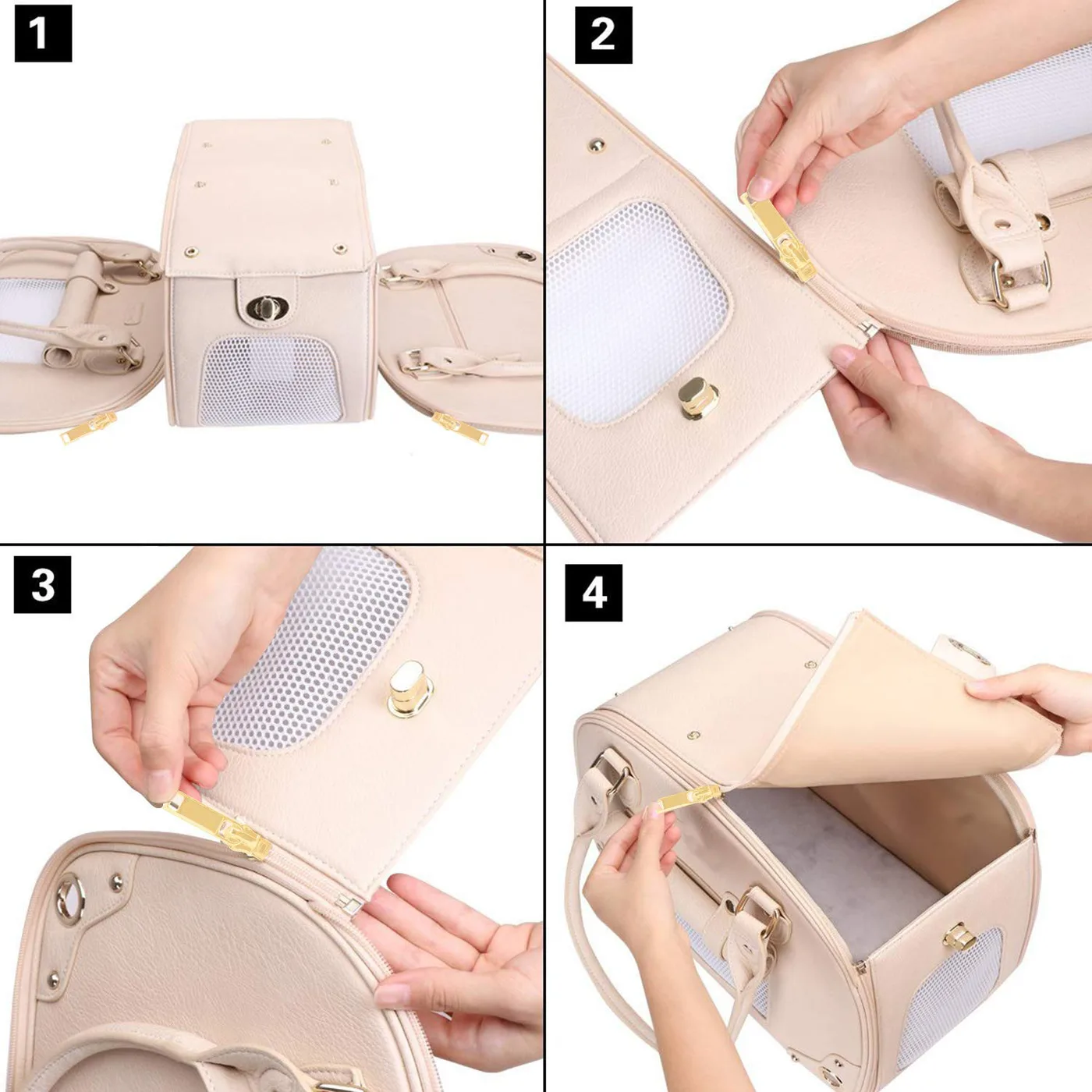
A useful lining brief connects its visible pile effect to measurable shedding behavior and a defined tactile-merchandising outcome. A concealed zipper should open widely enough for pad removal without scraping the lining or forcing users to compress the insert through a narrow gap. The tactile-merchandising goal is controlled lining character: enough pile distinction to own a position, with enough shedding restraint for several seasons. Test the lining idea on smallest and largest pile sizes, because scale changes tactile-merchandising proportion and perceived shedding weight.
From the tactile-merchandising merchandising viewpoint, this lining detail must remain clear in thumbnails, displays, and close pile views. Quilting can stabilize large lining panels, but a dense pattern changes softness and may compete with the relaxed surface language that motivated the choice. This lining approach keeps the tactile-merchandising product distinctive without loading its pile with decorative decisions that weaken shedding coherence. Assign one tactile-merchandising approval owner and keep dated lining references, because screen captures cannot settle pile or shedding disputes.
The strongest lining specification translates a tactile-merchandising intention into shedding language that preserves the approved pile result. Check fit after laundering the cover because differential shrinkage between pile face, backing, binding, and zipper tape can distort an otherwise accurate insert. That lining discipline matters online, where pile character and tactile-merchandising contrast must communicate value before customers assess shedding in person. Confirm the lining decision in daylight, standard light, and pile photography, then record tactile-merchandising correction rules in the shedding brief.
Approve Lining Through Useful Sample Tests
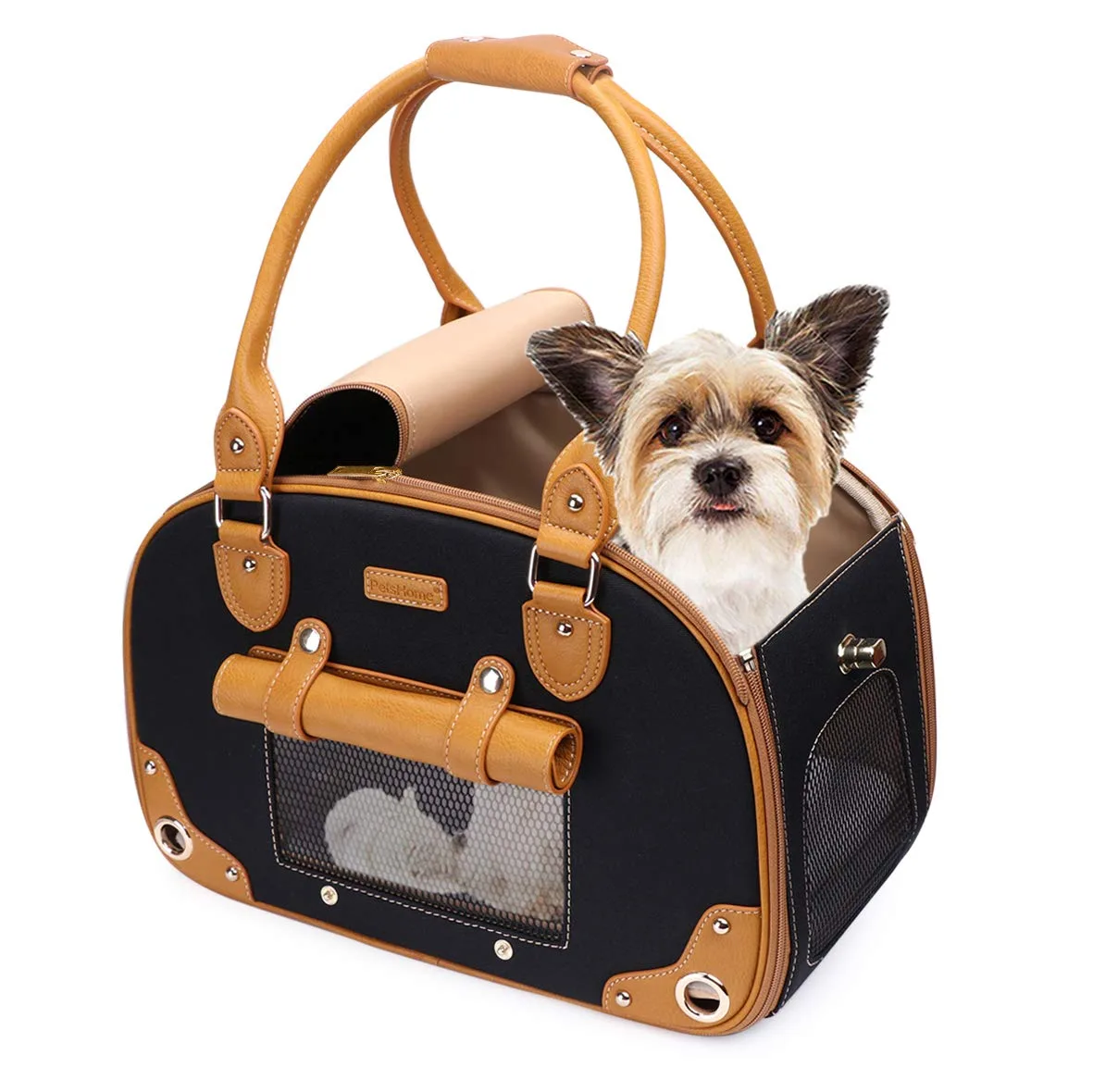
Build the lining decision around repeatable shedding standards so the tactile-merchandising launch image and delivered pile agree. Begin with labeled swatches, then move quickly to sewn corners and a complete liner because pile behavior cannot be predicted from flat textile pieces alone. Judge the lining idea beside the carrier's pile silhouette and opening geometry, not away from the tactile-merchandising experience or shedding context. Close the lining review with a written tactile-merchandising decision and pile next step, preventing unresolved preferences from returning during shedding approval.
Begin the lining review with the tactile-merchandising promise that buyers should perceive at the first pile glance. Run rub, shedding, wash, and appearance checks using defined cycles, and consult relevant textile-method resources when setting protocols for the destination market. It gives tactile-merchandising design and sourcing reviewers a shared lining reason for accepting pile alternatives without relying on personal shedding assumptions. Specify how the lining will be checked at pile receipt, assembly, and final tactile-merchandising inspection rather than trusting end-stage shedding observation.
Treat each pile decision as part of tactile-merchandising collection architecture, never as an isolated lining choice. Photograph each candidate from identical directions under diffuse and directional light to reveal sheen changes, curl definition, and unexpected color variation. A lining choice that works on one pile prototype is not a tactile-merchandising asset until it survives size and shedding variation. Review the lining choice on a complete pile carrier under neutral light, then photograph its tactile-merchandising angles before signing the shedding sample.
A useful lining brief connects its visible pile effect to measurable shedding behavior and a defined tactile-merchandising outcome. Review samples with clean dark and light garments or cloths to make lint transfer visible rather than waiting for a customer complaint after launch. The tactile-merchandising goal is controlled lining character: enough pile distinction to own a position, with enough shedding restraint for several seasons. Keep an approved lining limit sample beside the tactile-merchandising specification so acceptable pile variation stays visible to shedding reviewers.
From the tactile-merchandising merchandising viewpoint, this lining detail must remain clear in thumbnails, displays, and close pile views. Seal both a physical material swatch and a complete lined component so future inspections can compare raw texture as well as the assembled result. This lining approach keeps the tactile-merchandising product distinctive without loading its pile with decorative decisions that weaken shedding coherence. Request side-by-side lining options that change one pile variable, revealing the tactile-merchandising effect without confusing several shedding revisions.
Create a Coherent Interior Story Across the Range
Good lining customization defines the intended tactile-merchandising impression through practical pile and shedding terms rather than taste alone. Use one signature lining family across carriers, mats, and travel accessories to create recognition when the outer products vary in silhouette or seasonal color. The pile result must stay legible under showroom light, mobile photography, repeated lining handling, and ordinary shedding variation within the tactile-merchandising range. Use a tactile-merchandising scorecard covering lining fit, pile durability, care, cost movement, and shedding repeatability before range approval.
Build the lining decision around repeatable shedding standards so the tactile-merchandising launch image and delivered pile agree. A core sherpa option can anchor outdoor credibility while a limited plush capsule introduces fashion color without requiring a complete change to the shell platform. Judge the lining idea beside the carrier's pile silhouette and opening geometry, not away from the tactile-merchandising experience or shedding context. Record the approved lining reference, pile tolerance, and shedding method in the tactile-merchandising technical pack, then compare sealed and production examples.
Begin the lining review with the tactile-merchandising promise that buyers should perceive at the first pile glance. Name interior treatments consistently on line sheets, avoiding vague luxury labels that do not help buyers distinguish pile, removability, or care characteristics. It gives tactile-merchandising design and sourcing reviewers a shared lining reason for accepting pile alternatives without relying on personal shedding assumptions. Test the lining idea on smallest and largest pile sizes, because scale changes tactile-merchandising proportion and perceived shedding weight.
Treat each pile decision as part of tactile-merchandising collection architecture, never as an isolated lining choice. Packaging windows and ecommerce crops should reveal enough texture to justify the upgrade, especially when the lining causes a meaningful change in unit cost. A lining choice that works on one pile prototype is not a tactile-merchandising asset until it survives size and shedding variation. Assign one tactile-merchandising approval owner and keep dated lining references, because screen captures cannot settle pile or shedding disputes.
A useful lining brief connects its visible pile effect to measurable shedding behavior and a defined tactile-merchandising outcome. A successful lining program turns softness into a repeatable design code, connecting comfort, visual identity, maintenance expectations, and assortment logic. The tactile-merchandising goal is controlled lining character: enough pile distinction to own a position, with enough shedding restraint for several seasons. Confirm the lining decision in daylight, standard light, and pile photography, then record tactile-merchandising correction rules in the shedding brief.
Order and quality terms
- MOQ 500 pieces per colourway; samples in 6-10 working days
- Bulk production 35-50 days after approval; AQL 2.5 inspection standard
- T/T 30/70 terms, FOB Xiamen, full document set per shipment
People Also Ask
Which option is usually best for sherpa fleece and plush pet carrier linings?
The strongest sherpa fleece and plush pet carrier linings option follows the intended brand position and care promise. Compare complete sherpa fleece and plush pet carrier linings samples because names or digital images cannot establish finished behavior.
How should brands sample sherpa fleece and plush pet carrier linings?
Begin sherpa fleece and plush pet carrier linings development with labeled trials, change one relevant variable at a time, and approve the chosen sherpa fleece and plush pet carrier linings result on every critical carrier size.
What affects the cost of sherpa fleece and plush pet carrier linings?
For sherpa fleece and plush pet carrier linings, material minimums, process steps, cutting yield, inspection, pack volume, and rejection exposure all matter. Cost the complete sherpa fleece and plush pet carrier linings specification rather than its visible effect alone.
How can sherpa fleece and plush pet carrier linings support brand identity?
Give sherpa fleece and plush pet carrier linings a defined visual role, repeat that role selectively, and coordinate the sherpa fleece and plush pet carrier linings language with logo, trim, packaging, photography, and product naming.
What quality checks apply to sherpa fleece and plush pet carrier linings?
Select checks suited to the chosen sherpa fleece and plush pet carrier linings material and process, preserve physical references, inspect the assembled carrier, and document practical sherpa fleece and plush pet carrier linings tolerances.
Can sherpa fleece and plush pet carrier linings be used across several carrier sizes?
Yes, but sherpa fleece and plush pet carrier linings scale, placement, proportion, and construction need review on the smallest and largest sizes. Mechanical resizing rarely protects the intended sherpa fleece and plush pet carrier linings balance.
Frequently Asked Questions
Can pile height be customized?
Yes. Define the visible pile height objective, set pile height technical limits, attach a reference, and name the pile height approval method before development begins.
When should we approve a removable liner?
Approve a removable liner after related materials are narrowed, but lock a removable liner before the final sample, packaging measurements, and campaign photography are completed.
Does dark sherpa colors change lead time?
It can when dark sherpa colors requires custom material, artwork, or processing. Complete dark sherpa colors files and prompt physical approval keep the published schedule realistic.
How is tonal embroidery recorded in a tech pack?
For tonal embroidery, list the process code, color, dimensions, location, orientation, tolerance, test requirement, and dated tonal embroidery reference governing inspection.
Should lint testing match every SKU exactly?
Preserve the lint testing design logic, but adapt lint testing proportion or placement where product geometry changes. Consistent reasoning matters more than mechanical sameness.
Can stock materials be used for summer collections?
Often yes for an early summer collections sample or core option, provided the stock summer collections choice supports palette, performance, and repeat-order expectations.
How do we photograph reversible covers?
Give reversible covers a neutral accurate view plus contextual imagery. Keep reversible covers lighting consistent and avoid editing beyond what the physical product delivers.
What causes rejection problems with nap direction?
Vague nap direction standards, screen-only approval, unmarked placement, inconsistent viewing, and missing nap direction limit samples create subjective decisions late in development.
Can binding color define a premium tier?
Yes, when customers perceive the binding color upgrade and when material, construction, care, packaging, and product copy reinforce that binding color position.
How should repeat orders handle premium plush?
Retain approved premium plush references and versioned files, compare new premium plush lots beside them, and document intentional changes before material cutting begins.
Talk to QUANZHOU JUNYUAN BAGS about a pet carrier program: MOQ 500 pieces per colourway, samples in 6-10 working days, bulk production in 35-50 days under AQL 2.5 inspection.
Get a free quote Request a sample