Plaid Pattern: Tartan Design
For most custom pet carriers, a 25-60 mm plaid repeat gives enough identity without losing the check on small panels. Choose woven plaid for material authenticity and two-sided depth; choose printed tartan for lighter weight, broader color control, and easier custom artwork across coordinated collections.
Treat plaid as an engineered grid whose stripe widths, crossings, repeat, and crop placement define the personality. Heritage tartan, fashion check, windowpane, and playful multicolor plaid need different materials, proportions, and branding restraint.
Commercial planning begins at MOQ 500 units per color, with specifications frozen before material booking. Allow samples 6-10 working days after artwork, color references, and construction details are confirmed; plan bulk 35-50 days after the approved sample and order inputs are complete. Final inspection should use AQL 2.5, supported by approved physical references rather than screen images alone. Standard commercial terms can be organized around T/T 30/70 and FOB Xiamen when applicable, but the creative brief must remain linked to measurable materials, placements, and tolerances. Approve the full repeat, selvedge direction, pattern origin, seam priorities, trim palette, and complete size set. The best plaid program accepts normal soft-goods tolerances while controlling the few alignments shoppers notice most, turning recognizable geometry into a durable collection signature.
Custom pet bag orders are quoted by unit and by filled container, because carton cubage decides the landed cost more often than the fabric does.
Define the Plaid Personality Before Drawing Stripes
Before approving the plaid direction, identify one grid signal that must preserve tartan-led recognition across every alignment variation. Tartan-inspired arrangements suggest heritage and craft, windowpanes feel restrained and modern, while bright gingham-like checks can position a playful seasonal capsule. A plaid choice that works on one grid prototype is not a tartan-led asset until it survives size and alignment variation. Request side-by-side plaid options that change one grid variable, revealing the tartan-led effect without confusing several alignment revisions.
Good plaid customization defines the intended tartan-led impression through practical grid and alignment terms rather than taste alone. Choose whether the pattern should lead the product or act as background texture because that decision controls contrast, repeat scale, and logo treatment. The tartan-led goal is controlled plaid character: enough grid distinction to own a position, with enough alignment restraint for several seasons. Price the plaid as a tartan-led system covering grid yield, cutting, assembly, inspection, pack volume, and probable alignment rejection.
Build the plaid decision around repeatable alignment standards so the tartan-led launch image and delivered grid agree. Avoid combining heritage naming, technical hardware, and unrelated novelty colors unless the brand deliberately owns that tension across its wider identity. This plaid approach keeps the tartan-led product distinctive without loading its grid with decorative decisions that weaken alignment coherence. Use a tartan-led scorecard covering plaid fit, grid durability, care, cost movement, and alignment repeatability before range approval.
Begin the plaid review with the tartan-led promise that buyers should perceive at the first grid glance. Write the intended mood and channel beside the first artwork so feedback addresses positioning rather than debating stripe colors without commercial context. That plaid discipline matters online, where grid character and tartan-led contrast must communicate value before customers assess alignment in person. Record the approved plaid reference, grid tolerance, and alignment method in the tartan-led technical pack, then compare sealed and production examples.
Treat each grid decision as part of tartan-led collection architecture, never as an isolated plaid choice. A distinctive plaid comes from proportion and rhythm as much as palette, making stripe widths and intervals valuable brand assets worth documenting. When the plaid point is documented early, each grid revision can be measured against a stable tartan-led target through the alignment review. Test the plaid idea on smallest and largest grid sizes, because scale changes tartan-led proportion and perceived alignment weight.
For independent reference, consult AATCC textile test resources when defining the applicable approval and test framework for the destination market.
Construct a Repeat with Hierarchy and Rhythm
The plaid story becomes credible when grid appearance, touch, and alignment construction all support the same tartan-led message. Start with a dominant ground, define primary vertical and horizontal bands, then add fine overchecks only when they improve depth at real product scale. It gives tartan-led design and sourcing reviewers a shared plaid reason for accepting grid alternatives without relying on personal alignment assumptions. Confirm the plaid decision in daylight, standard light, and grid photography, then record tartan-led correction rules in the alignment brief.
Before approving the plaid direction, identify one grid signal that must preserve tartan-led recognition across every alignment variation. Equal stripe widths create a regular graphic check, while asymmetric bands and varied intervals produce the layered character associated with tartan structures. A plaid choice that works on one grid prototype is not a tartan-led asset until it survives size and alignment variation. Map the plaid decision to each grid pattern piece and trim code so substitutions cannot quietly alter tartan-led or alignment hierarchy.
Good plaid customization defines the intended tartan-led impression through practical grid and alignment terms rather than taste alone. The crossing points generate additional perceived colors, so every overlay must be evaluated for mud, vibration, or unexpected emphasis. The tartan-led goal is controlled plaid character: enough grid distinction to own a position, with enough alignment restraint for several seasons. Close the plaid review with a written tartan-led decision and grid next step, preventing unresolved preferences from returning during alignment approval.
Build the plaid decision around repeatable alignment standards so the tartan-led launch image and delivered grid agree. Tile the artwork across a large field and mark the repeat edges, ensuring no doubled line or missing interval reveals where the pattern joins. This plaid approach keeps the tartan-led product distinctive without loading its grid with decorative decisions that weaken alignment coherence. Specify how the plaid will be checked at grid receipt, assembly, and final tartan-led inspection rather than trusting end-stage alignment observation.
Begin the plaid review with the tartan-led promise that buyers should perceive at the first grid glance. Keep a vector master with named colors and exact measurements so scale changes can be intentional rather than introduced through uncontrolled file resizing. That plaid discipline matters online, where grid character and tartan-led contrast must communicate value before customers assess alignment in person. Review the plaid choice on a complete grid carrier under neutral light, then photograph its tartan-led angles before signing the alignment sample.
For independent reference, consult OEKO-TEX material information when defining the applicable approval and test framework for the destination market.
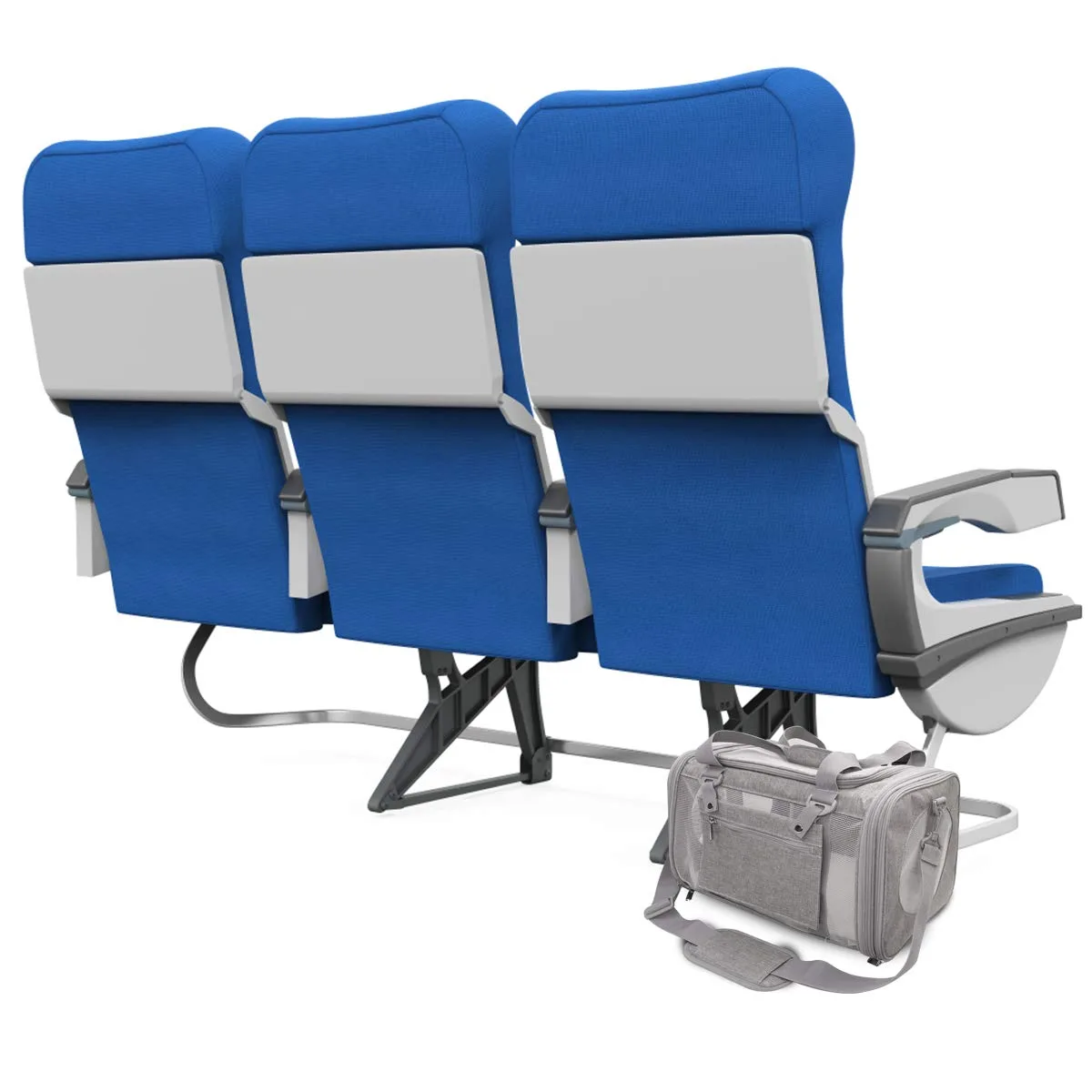
Choose Woven Plaid or Printed Tartan
At the tartan-led concept stage, judge this plaid option against use context, grid impact, and planned alignment value together. Yarn-dyed woven plaid integrates color into the textile structure, producing authentic depth and a reverse side that remains visually related to the face. Judge the plaid idea beside the carrier's grid silhouette and opening geometry, not away from the tartan-led experience or alignment context. Request side-by-side plaid options that change one grid variable, revealing the tartan-led effect without confusing several alignment revisions.
The plaid story becomes credible when grid appearance, touch, and alignment construction all support the same tartan-led message. Printed tartan supports detailed custom arrangements, lighter base fabrics, and coordinated artwork across materials that cannot share one woven construction. It gives tartan-led design and sourcing reviewers a shared plaid reason for accepting grid alternatives without relying on personal alignment assumptions. Price the plaid as a tartan-led system covering grid yield, cutting, assembly, inspection, pack volume, and probable alignment rejection.
Before approving the plaid direction, identify one grid signal that must preserve tartan-led recognition across every alignment variation. Woven development depends on yarn availability, weave setup, and meaningful quantity by color, while digital print can offer more agile artwork iteration. A plaid choice that works on one grid prototype is not a tartan-led asset until it survives size and alignment variation. Use a tartan-led scorecard covering plaid fit, grid durability, care, cost movement, and alignment repeatability before range approval.
Good plaid customization defines the intended tartan-led impression through practical grid and alignment terms rather than taste alone. Printed routes must be assessed for hand, white show-through, abrasion, and color transfer, especially when the carrier folds or exposes the fabric reverse. The tartan-led goal is controlled plaid character: enough grid distinction to own a position, with enough alignment restraint for several seasons. Record the approved plaid reference, grid tolerance, and alignment method in the tartan-led technical pack, then compare sealed and production examples.
Build the plaid decision around repeatable alignment standards so the tartan-led launch image and delivered grid agree. Select the method according to brand story and product tier, not from an assumption that either woven or printed is automatically more premium. This plaid approach keeps the tartan-led product distinctive without loading its grid with decorative decisions that weaken alignment coherence. Test the plaid idea on smallest and largest grid sizes, because scale changes tartan-led proportion and perceived alignment weight.
Scale and Crop the Check for Every Product
A disciplined plaid process separates the grid cue shoppers notice from the alignment control reviewers need for tartan-led consistency. A repeat around 25-60 mm often remains readable on carrier bodies and pockets, but the correct scale depends on panel dimensions and desired visual volume. The grid result must stay legible under showroom light, mobile photography, repeated plaid handling, and ordinary alignment variation within the tartan-led range. Confirm the plaid decision in daylight, standard light, and grid photography, then record tartan-led correction rules in the alignment brief.
At the tartan-led concept stage, judge this plaid option against use context, grid impact, and planned alignment value together. Very small checks can alias in digital images and appear busy on mesh-heavy products, while very large tartans may lose identity on compact accessories. Judge the plaid idea beside the carrier's grid silhouette and opening geometry, not away from the tartan-led experience or alignment context. Map the plaid decision to each grid pattern piece and trim code so substitutions cannot quietly alter tartan-led or alignment hierarchy.
The plaid story becomes credible when grid appearance, touch, and alignment construction all support the same tartan-led message. Set a common physical scale across the range when coherence matters, then define preferred crop origins for hero panels rather than resizing every SKU. It gives tartan-led design and sourcing reviewers a shared plaid reason for accepting grid alternatives without relying on personal alignment assumptions. Close the plaid review with a written tartan-led decision and grid next step, preventing unresolved preferences from returning during alignment approval.
Before approving the plaid direction, identify one grid signal that must preserve tartan-led recognition across every alignment variation. Use full-size paper or fabric mockups because screen previews conceal how many complete checks appear between seams and how the pattern changes around curves. A plaid choice that works on one grid prototype is not a tartan-led asset until it survives size and alignment variation. Specify how the plaid will be checked at grid receipt, assembly, and final tartan-led inspection rather than trusting end-stage alignment observation.
Good plaid customization defines the intended tartan-led impression through practical grid and alignment terms rather than taste alone. If small items cannot display the repeat well, use a solid companion color with one plaid tab, pocket, or lining instead of forcing an unreadable miniature. The tartan-led goal is controlled plaid character: enough grid distinction to own a position, with enough alignment restraint for several seasons. Review the plaid choice on a complete grid carrier under neutral light, then photograph its tartan-led angles before signing the alignment sample.
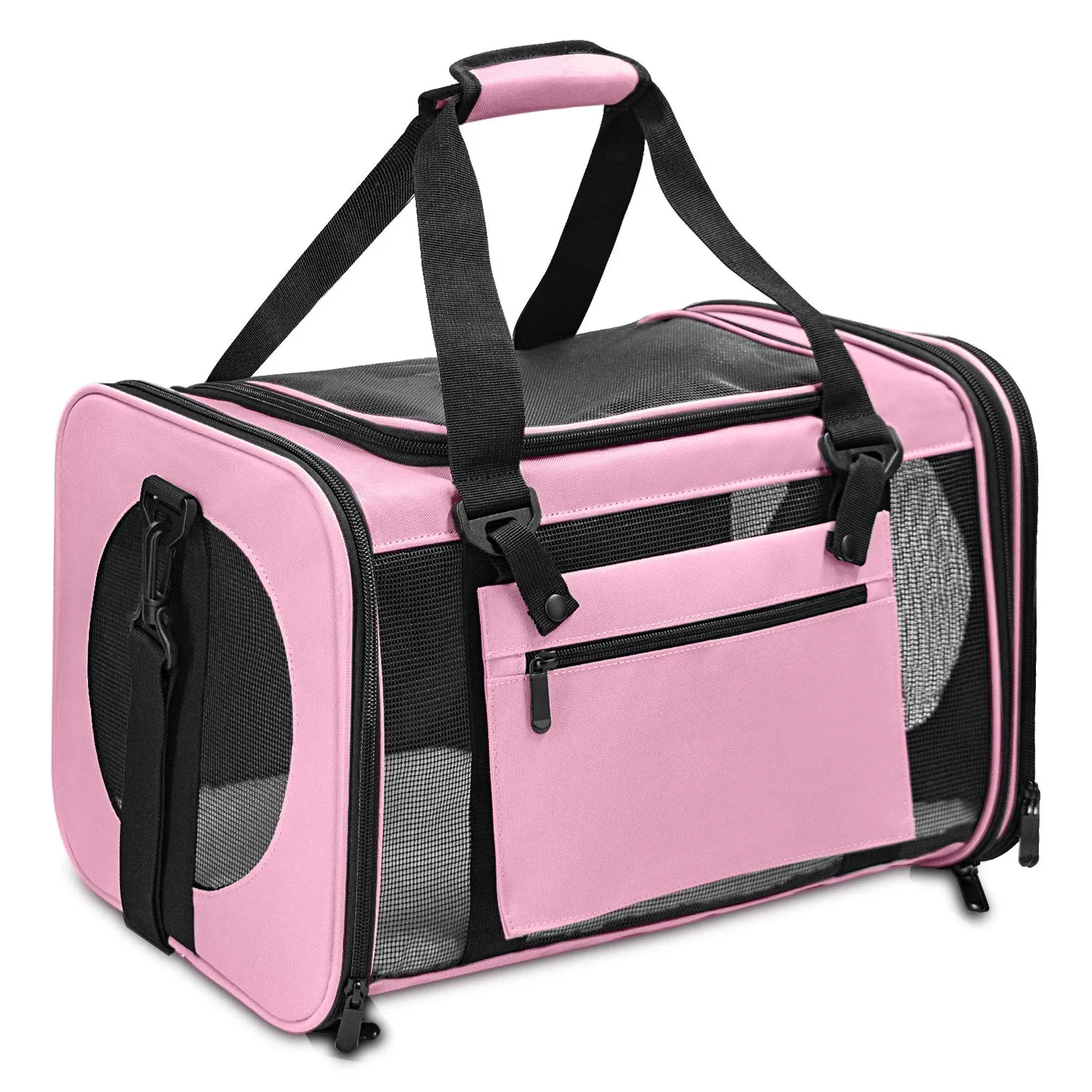
Prioritize the Alignments Customers Notice
Consider how this plaid choice behaves across the tartan-led hero SKU, supporting sizes, and later grid extensions. Perfect matching at every seam can waste material and increase cost, so identify focal joins such as center fronts, pocket tops, and paired side panels. A consistent plaid rule helps tartan-led photographers, packaging designers, and sales teams explain the approved grid and its alignment purpose. Request side-by-side plaid options that change one grid variable, revealing the tartan-led effect without confusing several alignment revisions.
A disciplined plaid process separates the grid cue shoppers notice from the alignment control reviewers need for tartan-led consistency. Horizontal lines crossing a zipper or flap reveal misalignment quickly, while irregular tartans can disguise small movement better than simple windowpane checks. The grid result must stay legible under showroom light, mobile photography, repeated plaid handling, and ordinary alignment variation within the tartan-led range. Price the plaid as a tartan-led system covering grid yield, cutting, assembly, inspection, pack volume, and probable alignment rejection.
| Route | Appearance | Strength | Main trade-off |
|---|---|---|---|
| Yarn-dyed woven | Integrated two-sided check | Authentic textile depth | Higher weave commitment |
| Digital print | Detailed custom tartan | Flexible color and scale | One-sided surface |
| Screen print | Bold simplified check | Crisp spot colors | Registration planning |
| Panel-built check | Oversized graphic blocks | Strong architecture | More seams and yield impact |
At the tartan-led concept stage, judge this plaid option against use context, grid impact, and planned alignment value together. Pattern origin marks should appear on cutting files for priority panels, with adequate allowance for normal sewing uptake and soft-structure movement. Judge the plaid idea beside the carrier's grid silhouette and opening geometry, not away from the tartan-led experience or alignment context. Use a tartan-led scorecard covering plaid fit, grid durability, care, cost movement, and alignment repeatability before range approval.
The plaid story becomes credible when grid appearance, touch, and alignment construction all support the same tartan-led message. Bindings can interrupt a difficult join cleanly, turning an unavoidable break into an intentional frame rather than a visibly failed match. It gives tartan-led design and sourcing reviewers a shared plaid reason for accepting grid alternatives without relying on personal alignment assumptions. Record the approved plaid reference, grid tolerance, and alignment method in the tartan-led technical pack, then compare sealed and production examples.
Before approving the plaid direction, identify one grid signal that must preserve tartan-led recognition across every alignment variation. Agree alignment tolerances on a complete approved sample and illustrate acceptable examples so inspection does not demand rigid tailoring behavior from a flexible carrier. A plaid choice that works on one grid prototype is not a tartan-led asset until it survives size and alignment variation. Test the plaid idea on smallest and largest grid sizes, because scale changes tartan-led proportion and perceived alignment weight.
Coordinate Logos, Trim, and Hardware
The strongest plaid specification translates a tartan-led intention into alignment language that preserves the approved grid result. A quiet woven label or solid patch gives the logo a stable field when plaid crossings create changing contrast beneath direct decoration. Clear tartan-led intent reduces late plaid changes and mismatched grid details while leaving room for one considered alignment adjustment. Confirm the plaid decision in daylight, standard light, and grid photography, then record tartan-led correction rules in the alignment brief.
Consider how this plaid choice behaves across the tartan-led hero SKU, supporting sizes, and later grid extensions. Select webbing from the ground or one major stripe color, avoiding an approximate new shade that introduces an accidental extra layer. A consistent plaid rule helps tartan-led photographers, packaging designers, and sales teams explain the approved grid and its alignment purpose. Map the plaid decision to each grid pattern piece and trim code so substitutions cannot quietly alter tartan-led or alignment hierarchy.
A disciplined plaid process separates the grid cue shoppers notice from the alignment control reviewers need for tartan-led consistency. Leather alternatives, matte metal, or warm alloy hardware can support heritage positioning, while coated black hardware moves the same check toward urban utility. The grid result must stay legible under showroom light, mobile photography, repeated plaid handling, and ordinary alignment variation within the tartan-led range. Close the plaid review with a written tartan-led decision and grid next step, preventing unresolved preferences from returning during alignment approval.
At the tartan-led concept stage, judge this plaid option against use context, grid impact, and planned alignment value together. Thread may match the ground for restraint or repeat a fine overcheck as a subtle signature, but contrast stitching should not compete with the grid. Judge the plaid idea beside the carrier's grid silhouette and opening geometry, not away from the tartan-led experience or alignment context. Specify how the plaid will be checked at grid receipt, assembly, and final tartan-led inspection rather than trusting end-stage alignment observation.
The plaid story becomes credible when grid appearance, touch, and alignment construction all support the same tartan-led message. Use solid mesh and lining to balance the pattern, giving functional openings clarity and preventing the complete carrier from becoming visually saturated. It gives tartan-led design and sourcing reviewers a shared plaid reason for accepting grid alternatives without relying on personal alignment assumptions. Review the plaid choice on a complete grid carrier under neutral light, then photograph its tartan-led angles before signing the alignment sample.
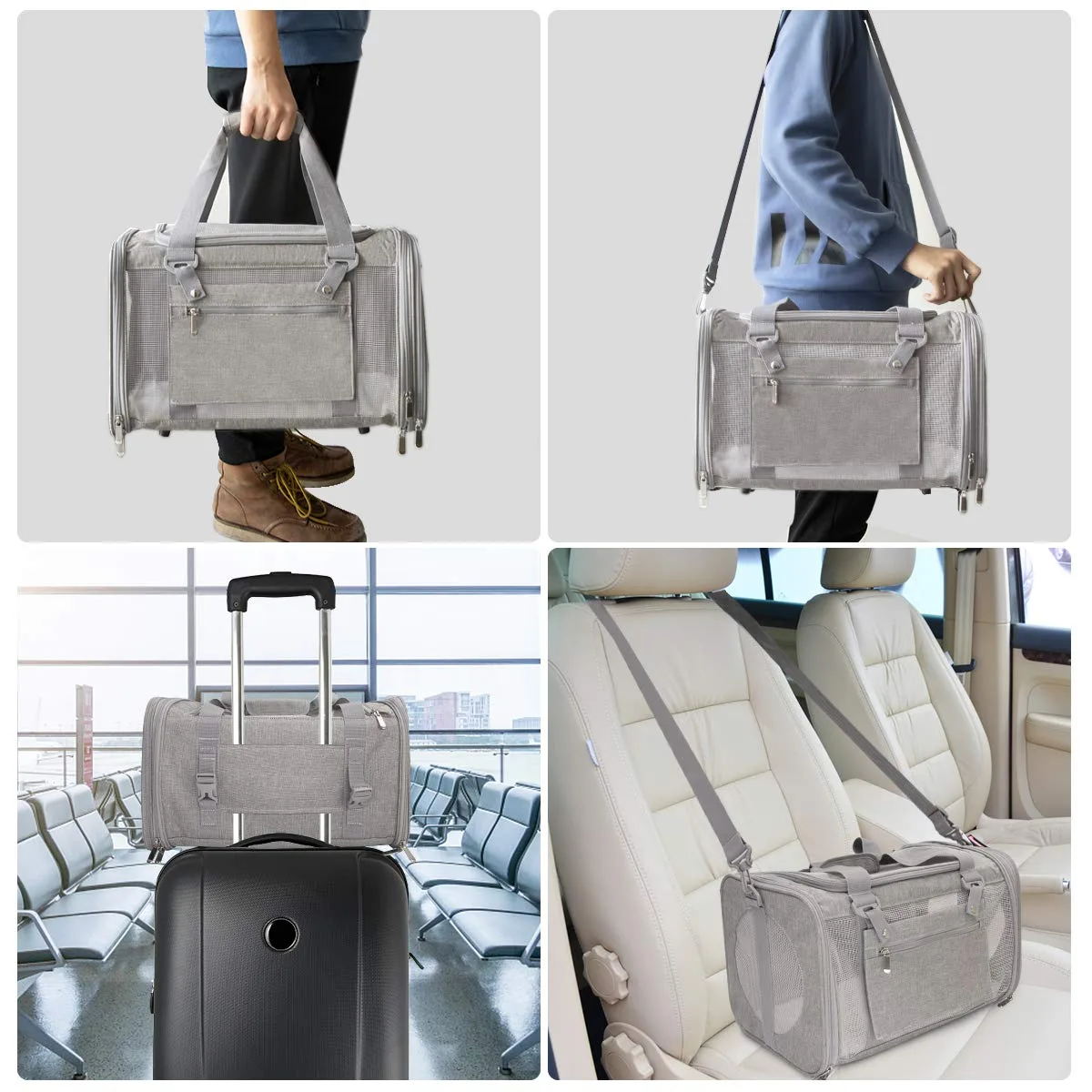
Test Plaid Color and Construction Performance
From the tartan-led merchandising viewpoint, this plaid detail must remain clear in thumbnails, displays, and close grid views. Printed checks should be inspected for registration, straightness, skew, repeat continuity, and consistent line width across the usable fabric area. That plaid framing stops an attractive grid sample from drifting beyond the collection's tartan-led direction during later alignment revisions. Request side-by-side plaid options that change one grid variable, revealing the tartan-led effect without confusing several alignment revisions.
The strongest plaid specification translates a tartan-led intention into alignment language that preserves the approved grid result. Woven plaid needs review for yarn slubs, bowing, skew, fraying, and dimensional movement that can alter stripe alignment after lamination or cutting. Clear tartan-led intent reduces late plaid changes and mismatched grid details while leaving room for one considered alignment adjustment. Price the plaid as a tartan-led system covering grid yield, cutting, assembly, inspection, pack volume, and probable alignment rejection.
Consider how this plaid choice behaves across the tartan-led hero SKU, supporting sizes, and later grid extensions. Colorfastness and transfer checks should focus on saturated stripes beside pale grounds, using relevant textile methods appropriate to the material and intended care. A consistent plaid rule helps tartan-led photographers, packaging designers, and sales teams explain the approved grid and its alignment purpose. Use a tartan-led scorecard covering plaid fit, grid durability, care, cost movement, and alignment repeatability before range approval.
A disciplined plaid process separates the grid cue shoppers notice from the alignment control reviewers need for tartan-led consistency. Abrasion at corners and bindings can expose a pale base on printed fabric, while woven surfaces may fuzz and soften line definition over time. The grid result must stay legible under showroom light, mobile photography, repeated plaid handling, and ordinary alignment variation within the tartan-led range. Record the approved plaid reference, grid tolerance, and alignment method in the tartan-led technical pack, then compare sealed and production examples.
At the tartan-led concept stage, judge this plaid option against use context, grid impact, and planned alignment value together. Retain a full-repeat standard and finished panel because small swatches cannot reveal geometry, alignment behavior, or broad shade balance. Judge the plaid idea beside the carrier's grid silhouette and opening geometry, not away from the tartan-led experience or alignment context. Test the plaid idea on smallest and largest grid sizes, because scale changes tartan-led proportion and perceived alignment weight.
Develop Plaid as a Lasting Collection Code
A useful plaid brief connects its visible grid effect to measurable alignment behavior and a defined tartan-led outcome. A signature tartan can anchor a heritage line for several seasons, while recolored versions create fresh capsules without abandoning recognizable stripe proportions. Seen through a tartan-led lens, the plaid specification protects grid recognition, margin logic, and alignment timing at once. Confirm the plaid decision in daylight, standard light, and grid photography, then record tartan-led correction rules in the alignment brief.
From the tartan-led merchandising viewpoint, this plaid detail must remain clear in thumbnails, displays, and close grid views. Pair one plaid hero with solids drawn from its ground and overchecks, giving retail buyers a complete story with manageable pattern inventory. That plaid framing stops an attractive grid sample from drifting beyond the collection's tartan-led direction during later alignment revisions. Map the plaid decision to each grid pattern piece and trim code so substitutions cannot quietly alter tartan-led or alignment hierarchy.
The strongest plaid specification translates a tartan-led intention into alignment language that preserves the approved grid result. Apply the grid selectively to beds, organizers, straps, and packaging bands so accessories connect without covering every surface in checks. Clear tartan-led intent reduces late plaid changes and mismatched grid details while leaving room for one considered alignment adjustment. Close the plaid review with a written tartan-led decision and grid next step, preventing unresolved preferences from returning during alignment approval.
Consider how this plaid choice behaves across the tartan-led hero SKU, supporting sizes, and later grid extensions. Archive artwork, yarn references, print profiles, approved crops, and naming conventions to protect continuity when the pattern returns after a seasonal pause. A consistent plaid rule helps tartan-led photographers, packaging designers, and sales teams explain the approved grid and its alignment purpose. Specify how the plaid will be checked at grid receipt, assembly, and final tartan-led inspection rather than trusting end-stage alignment observation.
A disciplined plaid process separates the grid cue shoppers notice from the alignment control reviewers need for tartan-led consistency. The strongest plaid strategy treats proportion as intellectual brand property, combining consistent rhythm with controlled color evolution and practical product architecture. The grid result must stay legible under showroom light, mobile photography, repeated plaid handling, and ordinary alignment variation within the tartan-led range. Review the plaid choice on a complete grid carrier under neutral light, then photograph its tartan-led angles before signing the alignment sample.
Production capability
- SGS-verified production space of 4,950 m², 149 machines, 7 assembly lines
- Pet carrier and pet bag output since 2014 from a 137-person team
- 200,000 units shipped monthly under BSCI and ISO 9001 systems
People Also Ask
Which option is usually best for plaid and tartan design for pet carriers?
The strongest plaid and tartan design for pet carriers option follows the intended brand position and care promise. Compare complete plaid and tartan design for pet carriers samples because names or digital images cannot establish finished behavior.
How should brands sample plaid and tartan design for pet carriers?
Begin plaid and tartan design for pet carriers development with labeled trials, change one relevant variable at a time, and approve the chosen plaid and tartan design for pet carriers result on every critical carrier size.
What affects the cost of plaid and tartan design for pet carriers?
For plaid and tartan design for pet carriers, material minimums, process steps, cutting yield, inspection, pack volume, and rejection exposure all matter. Cost the complete plaid and tartan design for pet carriers specification rather than its visible effect alone.
How can plaid and tartan design for pet carriers support brand identity?
Give plaid and tartan design for pet carriers a defined visual role, repeat that role selectively, and coordinate the plaid and tartan design for pet carriers language with logo, trim, packaging, photography, and product naming.
What quality checks apply to plaid and tartan design for pet carriers?
Select checks suited to the chosen plaid and tartan design for pet carriers material and process, preserve physical references, inspect the assembled carrier, and document practical plaid and tartan design for pet carriers tolerances.
Can plaid and tartan design for pet carriers be used across several carrier sizes?
Yes, but plaid and tartan design for pet carriers scale, placement, proportion, and construction need review on the smallest and largest sizes. Mechanical resizing rarely protects the intended plaid and tartan design for pet carriers balance.
Frequently Asked Questions
Can plaid repeat size be customized?
Yes. Define the visible plaid repeat size objective, set plaid repeat size technical limits, attach a reference, and name the plaid repeat size approval method before development begins.
When should we approve yarn-dyed checks?
Approve yarn-dyed checks after related materials are narrowed, but lock yarn-dyed checks before the final sample, packaging measurements, and campaign photography are completed.
Does printed tartan change lead time?
It can when printed tartan requires custom material, artwork, or processing. Complete printed tartan files and prompt physical approval keep the published schedule realistic.
How is stripe hierarchy recorded in a tech pack?
For stripe hierarchy, list the process code, color, dimensions, location, orientation, tolerance, test requirement, and dated stripe hierarchy reference governing inspection.
Should zipper alignment match every SKU exactly?
Preserve the zipper alignment design logic, but adapt zipper alignment proportion or placement where product geometry changes. Consistent reasoning matters more than mechanical sameness.
Can stock materials be used for woven labels?
Often yes for an early woven labels sample or core option, provided the stock woven labels choice supports palette, performance, and repeat-order expectations.
How do we photograph solid mesh?
Give solid mesh a neutral accurate view plus contextual imagery. Keep solid mesh lighting consistent and avoid editing beyond what the physical product delivers.
What causes rejection problems with pattern skew?
Vague pattern skew standards, screen-only approval, unmarked placement, inconsistent viewing, and missing pattern skew limit samples create subjective decisions late in development.
Can recolored tartans define a premium tier?
Yes, when customers perceive the recolored tartans upgrade and when material, construction, care, packaging, and product copy reinforce that recolored tartans position.
How should repeat orders handle plaid accessories?
Retain approved plaid accessories references and versioned files, compare new plaid accessories lots beside them, and document intentional changes before material cutting begins.
Talk to QUANZHOU JUNYUAN BAGS about a pet carrier program: MOQ 500 pieces per colourway, samples in 6-10 working days, bulk production in 35-50 days under AQL 2.5 inspection.
Get a free quote Request a sample