Organic Cotton Pet Carriers: Natural Fabric Specification
Organic cotton canvas is a practical shell for a custom pet carrier at MOQ 500 pieces per colourway, with samples in 6-10 working days and bulk in 35-50 days. The workable band is 10-16 oz canvas, optionally blended with 20-40% polyester where abrasion resistance and dimensional stability matter more than fibre purity.
Executive summary
Organic cotton earns its place through hand feel, breathability and a story customers understand immediately. It is not a high-abrasion technical fabric, so the specification has to respect that: heavier weights on the shell, a blend or a coated finish at wear points, and a lining chosen for comfort rather than for the certificate. Handled that way, organic cotton produces a carrier that looks designed rather than improvised.
Programme terms are unchanged: MOQ 500 pieces per colourway, samples in 6-10 working days, bulk in 35-50 days, inspection at AQL 2.5, T/T 30/70 and FOB Xiamen. Our production team confirms fibre certification scope before bulk, and holds the certificate against the specific fabric lot used.
- 10-16 oz canvas covers most carrier applications; below 10 oz the fabric lacks body, above 18 oz it becomes hard to sew cleanly.
- Shade approval on cotton needs a lab dip on the actual substrate, because the same dye reads differently on cotton than on polyester.
- Pre-shrinking and stated wash tolerance prevent the dimensional surprises that natural fibres create after purchase.
A custom dog carrier brief starts with the weight band, not the colour: strap width, base board thickness and mesh ratio all follow from how heavy the dog actually is.
What organic cotton certification actually covers
Organic cotton certification is a statement about how the fibre was grown: no synthetic pesticides or fertilisers on the land, with a defined conversion period and a documented chain of custody from farm to gin to spinner. It is not a statement about the dye, the finish, the water treatment at the mill or the working conditions in the sewing line. Keeping those boundaries clear is what makes the claim defensible.
The chain of custody is the part that most often breaks. Fibre can be certified at farm level and lose its identity through blending or through a spinner that handles both conventional and organic lots. That is why a garment or article claim requires documentation at each handover, and why the certificate should name the supplier and the lot rather than simply asserting the fibre is organic.
There is a difference between fibre certification and article certification. A brand buying certified fabric can claim the fabric content; claiming the finished carrier is organic requires that the whole assembly, including thread, labels and any blends, meets the relevant standard. Most pet carrier programmes should claim the fabric and state the percentage, which is both accurate and easy to substantiate.
Chemical safety is a separate question that organic status does not answer. Cotton, organic or not, is dyed, finished and sometimes coated, and those processes introduce substances that a restricted substance list may cover. Testing the finished article against textile safety standards such as OEKO-TEX is the only way to make a statement about what is actually in the product the customer receives.
Blends complicate the claim in predictable ways. An organic cotton and polyester blend can still carry a percentage claim for the cotton portion, provided the blend ratio is documented and the claim states it. What it cannot do is carry an unqualified organic claim, and the label wording should reflect the blend honestly.
Mill minimums and availability are practical constraints rather than certification issues, but they behave the same way in a project plan. Certified organic canvas is not held in the same depth as conventional equivalent, which affects both the sampling window and the re-order speed. Confirming availability before design freeze avoids a redesign later.
Finally, keep the documents together. Fibre certificate, blend declaration, safety test report and inspection report, held per production run, turn any future question into a lookup. This is the same discipline described in our wider guide to eco line material planning, and it is what separates a claim that survives audit from one that does not.
Canvas construction and weight selection for carriers
Canvas is defined by weight and weave, and for a carrier the useful band runs from about 10 oz to 16 oz per square yard. Below 10 oz the fabric lacks the body to hold a silhouette without heavy interlining; above 18 oz it becomes difficult to fold, bind and turn cleanly at the corners, and the finished product starts to look bulky rather than substantial. Most programmes land between 12 and 14 oz.
Weave matters as much as weight. A plain weave canvas is stable and reads traditional; a twill weave drapes better, resists creasing and hides soiling more effectively; a basket weave has more texture and slightly less strength at the same weight. For a product that will be handled daily, twill constructions generally outperform plain weave in appearance retention.
| Specification | Weight | Hand feel | Best application | Abrasion | Sewing note |
|---|---|---|---|---|---|
| Light plain canvas | 8-10 oz | Soft, drapey | Lining, dust bag, small formats | Low to moderate | Needs interlining for structure |
| Standard plain canvas | 10-12 oz | Firm, classic | Shell on small carriers | Moderate | Clean binding, standard needle |
| Mid twill canvas | 12-14 oz | Structured, soft drape | Shell on medium carriers | Moderate to high | Best balance of body and handling |
| Heavy twill canvas | 14-16 oz | Substantial, rigid | Base panel, structured shells | High | Heavier needle, slower sewing |
| Cotton-polyester blend canvas | 12-14 oz | Firm with slight spring | High-wear shells | High | More stable, less shrinkage |
| Waxed or coated cotton | 12-16 oz | Supple, water resistant | Outer shells, travel pieces | Very high | Coating affects seam sealing |
Weight selection should follow the size of the product rather than a fixed house standard. A small cat carrier does not need 16 oz canvas; a large dog carrier does, because the panel spans are longer and the fabric has to resist sagging under load. Matching weight to span is the difference between a product that holds its shape and one that slumps.
Reinforcement is usually a better answer than simply going heavier. A heavier base panel, a doubled strap attachment and a reinforced top opening solve local problems without adding weight across the whole product. This approach also keeps the fabric cost and the freight weight down, which matters at MOQ 500.
Interlining deserves a decision early. Cotton canvas has body but not stiffness, and a carrier that must stand up on its own needs a board, a frame or a stiff interlining. Deciding which, and testing it at sampling, prevents the common discovery that a beautiful shell has no structure.
Finally, check the fabric against the cleaning method the product will recommend. If the care label promises wiping or spot cleaning, the canvas and any coating have to tolerate it; if it promises washing, shrinkage becomes a specification parameter rather than a footnote.
Dyeing and finishing organic cotton for repeatable shade
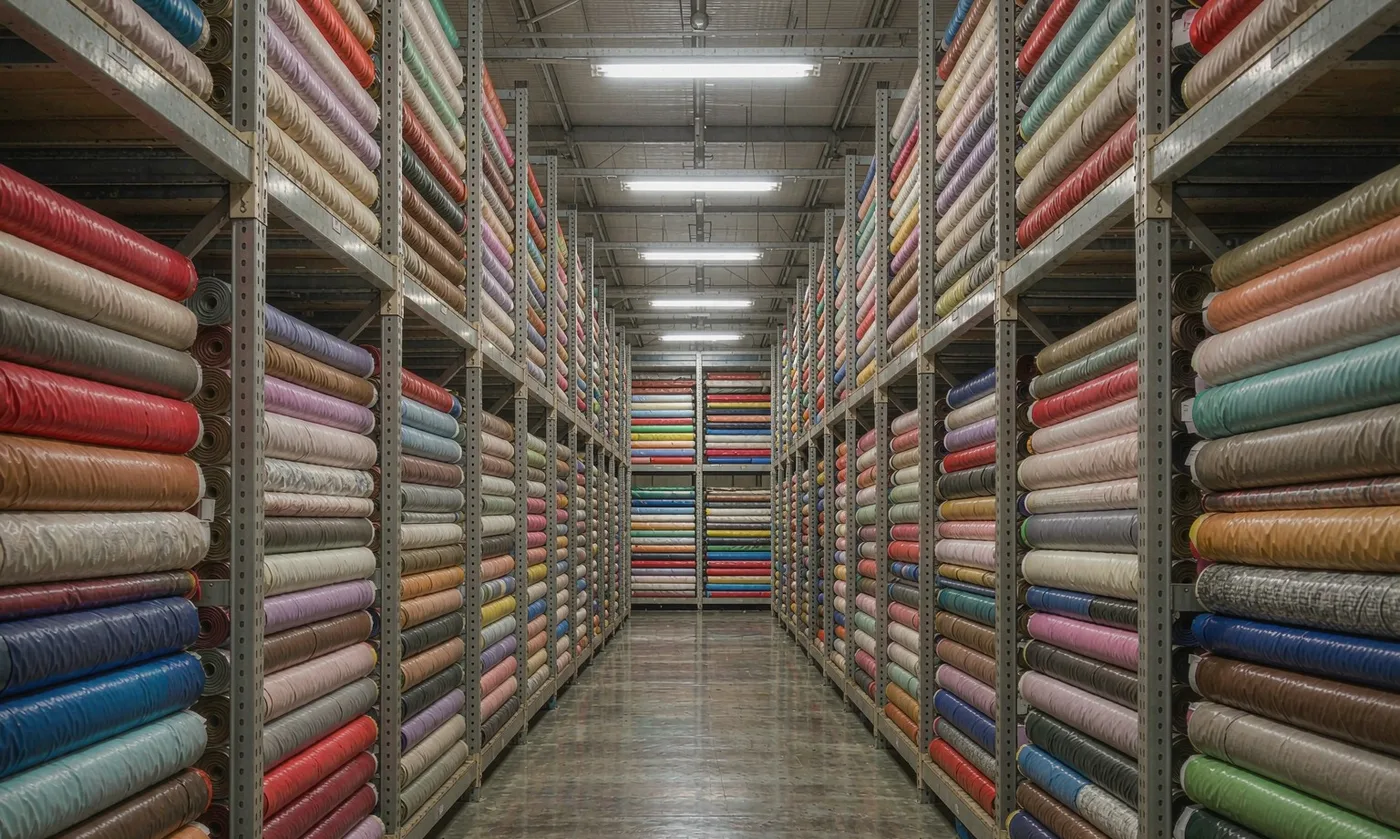
Cotton dyes differently from polyester, and the first consequence is that the same Pantone reference will produce a different shade on a cotton canvas than on a polyester shell. This surprises brands that have approved a colour on a synthetic and assume it transfers. The rule is simple: approve the shade on the substrate that will actually be used, with a lab dip on that substrate.
Second, cotton tends to absorb more dye and to produce slightly less saturated results at the same cost. Deep, saturated shades are achievable but may need more dye, more rinsing and a longer process, which affects both cost and fastness. Planning the palette with that behaviour in mind avoids the cycle of rejecting dips that were never going to match.
Finishing choices determine how the fabric behaves in service. A softener improves hand and drape; a resin finish improves crease recovery but can reduce tear strength; a water-repellent finish adds function but interacts with any environmental claim attached to the fibre. Each finishing decision should be recorded, because it affects both the feel and the documentation.
Colourfastness testing should be specified explicitly. Rubbing fastness matters where a dark shell meets light trim; wash fastness matters if the product is washable; light fastness matters for a product that sits in a sunny room or a shop window. Test methods published by AATCC are the common reference, and results should be verified rather than assumed.
Dye-lot consistency is harder on natural fibres than on synthetics because the substrate itself varies slightly between lots. Holding a signed reference, stating a tolerance and reserving fabric from the same lot for a re-order is the standard control. Without it, the second season's shade will drift noticeably.
Undyed and natural shades are worth considering as a design choice rather than a compromise. Natural cotton tones, undyed canvas and low-saturation pigments communicate the material honestly, reduce dye load and make shade matching easier. Many of the strongest organic cotton products use very little colour at all.
Finally, plan the approval sequence. Lab dip first, then strike-off if there is a print, then the sample build. Approving in that order keeps the 6-10 working day sampling window intact; approving in any other order produces a second round.
Hand feel, breathability and the natural aesthetic
The reason to choose organic cotton is the way it feels and reads. It has a dry, warm hand that synthetics imitate imperfectly; it breathes, which matters for an enclosed product carrying a warm animal; and it carries a visual authenticity that photographs well without styling. Those three properties are the commercial argument for the material.
Breathability has a functional dimension worth taking seriously. Ventilation panels do most of the airflow work, but a breathable shell reduces condensation and odour build-up in the remaining surface area. For a product used on long journeys, that contributes to comfort in a way customers notice even if they do not name it.
The aesthetic argument works best with restraint. Organic cotton looks most convincing alongside natural webbing, undyed lining, simple hardware and minimal printing. Combining it with high-gloss hardware, bright synthetic trim and multi-colour graphics produces a confused product where the material story is lost.
Creasing is the honest downside. Cotton creases, and a cotton carrier will not look as crisp as a synthetic one after a day of use. Some brands treat that as character and some as a defect; deciding which position the brand takes determines whether a crease-resistant finish is worth specifying.
Texture is an asset in photography. The visible weave of a canvas reads as quality in a way that a flat synthetic surface does not, particularly in close-up lifestyle imagery. Designing photography around that texture, rather than trying to make cotton look like polyester, gets the best out of the material.
Colour relationships work differently too. Natural and undyed tones sit well together, and mid-saturation colours read better than either very pale or very dark shades on canvas. Building the eco palette around those relationships is a design decision that makes the material look intentional.
Finally, consider the interior. A cotton lining against a cotton shell creates a coherent material story, and it is usually the surface the customer touches most. Spending the fabric budget there rather than on an invisible internal component is a decision customers feel.
Durability, shrinkage and care behaviour in service
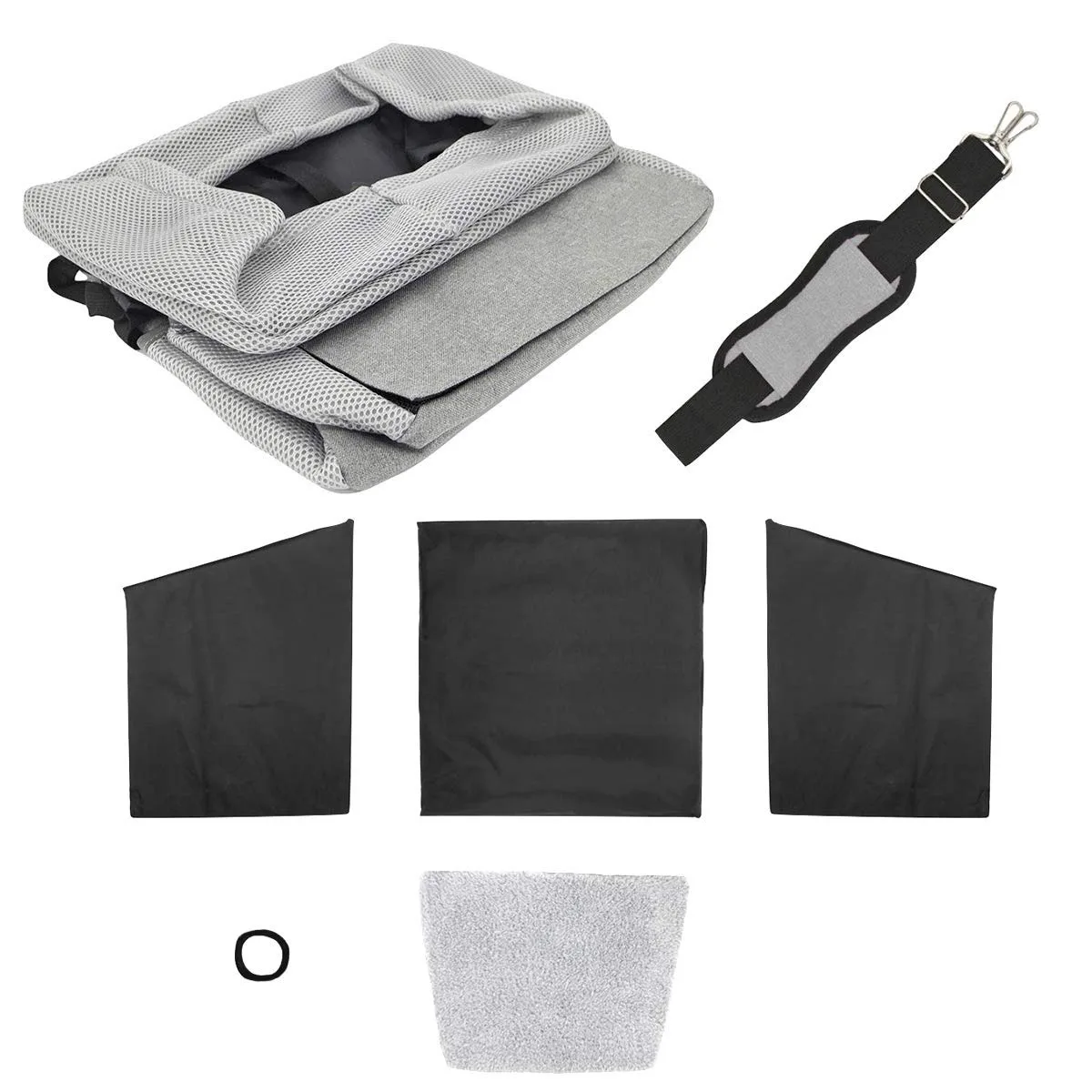
Cotton canvas is durable in tension and moderate in abrasion. It will carry load well and resist tearing, but it will show surface wear at high-friction points such as the underside, the base corners and the strap contact areas. Specifying reinforcement at those points is the standard answer and should be drawn into the pattern rather than added later.
Shrinkage is the dimensional risk. Uncontrolled cotton can shrink several percent on first wash, which changes the fit of a removable pad, the tension of a lining and the overall size. Specifying pre-shrunk fabric, stating a tolerance and testing a washed sample is the control, and it should happen at sampling rather than after bulk.
Water behaviour deserves honesty in the brief. Untreated cotton absorbs water and dries slowly; a coated or waxed cotton resists it. Neither is wrong, but the product description and the care instructions have to match what was specified, because a customer who buys a natural-fibre product and expects rain protection will be disappointed.
Staining and cleaning are the practical reality of a pet product. Cotton releases many stains well but shows others, and light shades mark more readily than synthetics with a soil-release finish. Choosing mid-tones for high-contact areas, and stating a realistic cleaning method, prevents most of the complaints in this category.
Mildew and odour retention are the risks in a damp climate. A product stored wet will develop odour in any natural fibre, so care instructions should include thorough drying. Where the product will be used in wet conditions frequently, a coated cotton or a blend is usually the better specification.
Carefully specified, cotton lasts well. Testing abrasion, tear strength and seam strength against the intended use, referencing standard methods from bodies such as ASTM International, turns a general impression of durability into a number a brand can stand behind.
Finally, plan the care label before the product ships. It should state what the material can actually survive, not what the marketing would prefer, and it should be consistent with the cleaning tests performed at sampling.
Specification comparison: organic cotton against alternatives
Selecting a substrate is a comparison, and the honest comparison for organic cotton is against recycled polyester, hemp blend canvas and conventional cotton. Each wins on different axes, and the right answer depends on which axis the product cares about: hand feel, abrasion, water behaviour, certification story or cost.
| Property | Organic cotton canvas | Recycled polyester | Hemp blend canvas | Conventional cotton |
|---|---|---|---|---|
| Hand feel | Dry, warm, natural | Smooth, technical | Textured, crisp | Dry, natural |
| Abrasion resistance | Moderate | High | High | Moderate |
| Water behaviour | Absorbent unless coated | Low absorption | Absorbent, quick drying | Absorbent |
| Breathability | High | Low to moderate | High | High |
| Dimensional stability | Moderate, shrinkage risk | High | High | Moderate |
| Colour depth achievable | Good, slightly muted | Excellent, saturated | Good, earthy | Good |
| Certification story | Organic fibre content | Recycled content | Low-input fibre | None beyond safety |
| Cost index | 120-160 | 105-125 | 130-180 | 100 |
| Best role | Comfort and story | Performance shell | Durable natural shell | Entry natural option |
The pattern in the table is clear: organic cotton wins on hand feel, breathability and story, and loses on abrasion, water and dimensional stability. A specification that asks cotton to win on the axes it loses will disappoint, while one that plays to its strengths will look deliberate.
Blends are the usual resolution. Adding 20-40% polyester to a cotton canvas improves abrasion, reduces shrinkage and stabilises the shade, at the cost of some hand feel and a more qualified fibre claim. Many programmes settle on a blend for the shell and pure cotton for the lining.
Coatings are the other resolution. A light water-repellent finish or a wax treatment addresses the water axis without changing the visual character much, though it does affect the environmental claim and the care instructions.
Cost comparison should be done at product level rather than fabric level. A heavier cotton canvas may cost more per metre but require less interlining, or vice versa. Comparing landed product cost, including freight weight, gives the decision that actually matters.
Finally, consider the customer's expectation. A buyer choosing a natural-fibre product expects a natural-fibre experience: texture, breathability and a certain softness. Specifications that try to make cotton behave exactly like polyester usually produce a product that satisfies nobody.
Blending strategies to reach performance targets
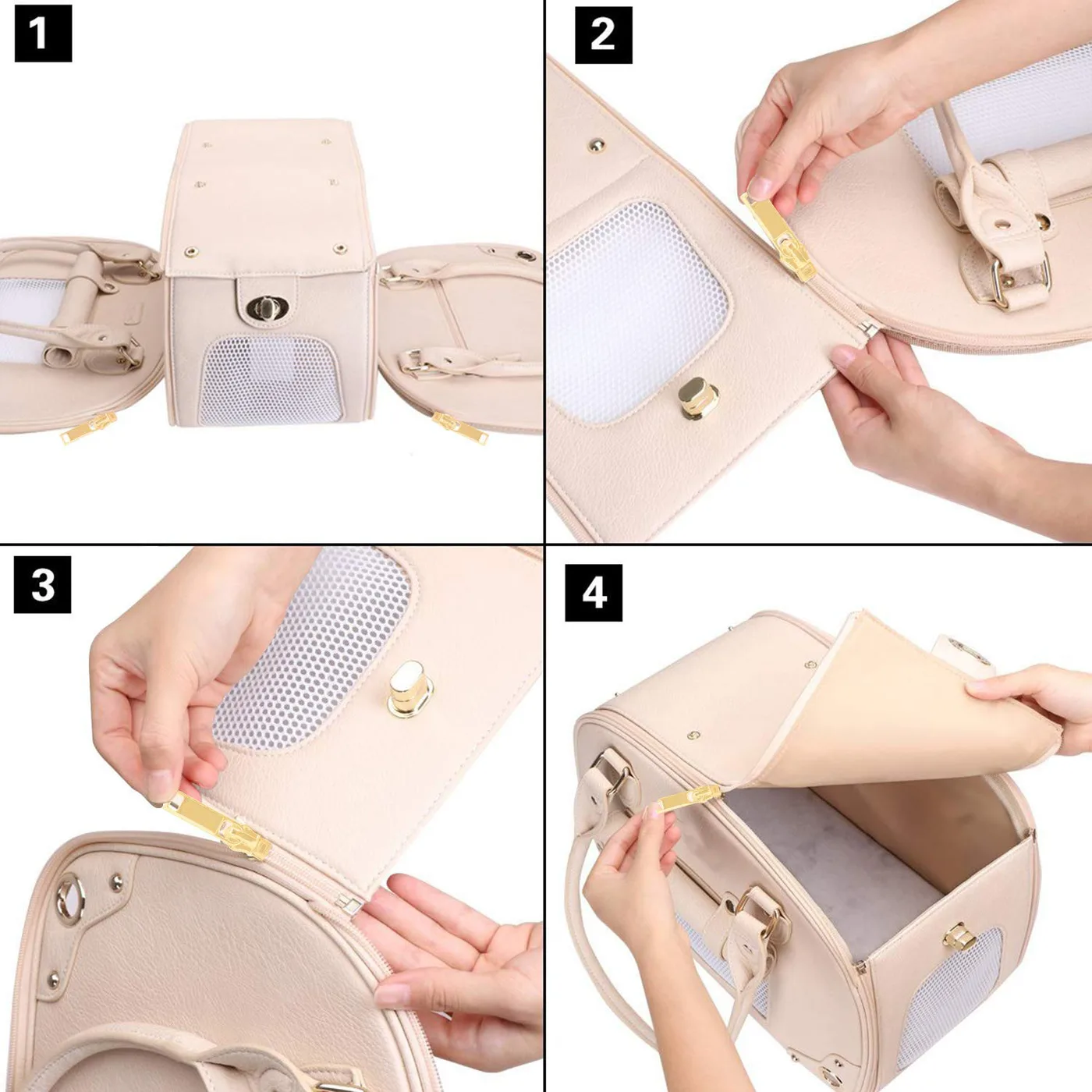
Blending is the most useful tool in a cotton specification because it allows a targeted trade. A cotton-rich blend keeps most of the hand and the story while gaining stability; a polyester-rich blend keeps most of the performance while gaining some natural character. Choosing the direction of the blend is the decision, and it should follow the product's primary promise.
Common ratios have established behaviour. Around 80/20 cotton to polyester retains a predominantly natural hand with noticeably improved stability. Around 60/40 behaves much closer to a synthetic in abrasion and shrinkage while still reading as a textile rather than a technical fabric. Below 50% cotton the material story weakens considerably.
Blending with hemp or linen changes the character rather than just the numbers. A cotton and hemp blend gains strength and a distinctive texture, and it pairs well with an eco positioning. It also tends to crease more, which should be accepted as part of the aesthetic.
Blending with recycled polyester combines two stories. A certified organic cotton and recycled polyester blend allows both claims to be made for their respective percentages, provided both certificates exist and the label states both. This is increasingly the specification of choice for eco lines that need performance.
Blends need documentation discipline. Each component of a blend should have its certificate or declaration, and the finished blend ratio should be declared by the mill. Percentages stated in marketing should match the declared ratio exactly, and rounding should be conservative.
Sewing behaviour changes with the blend. Synthetic content increases needle heat and can cause skipped stitches if the needle and thread are not matched to the fabric. Confirming the sewing setup at sampling avoids the production problems that appear when a cotton specification is quietly switched to a blend.
Finally, test the blend rather than assuming. Blended fabrics do not behave as a straight average of their components, and abrasion, shrinkage and shade should all be verified on the actual blend before the specification is frozen.
Positioning an organic cotton piece in the range
An organic cotton carrier should sit in the upper half of the range. It costs more than a synthetic equivalent, it carries a story that justifies a premium, and customers expect to pay more for a natural material. Positioning it at the entry price point creates a margin problem and weakens the story at the same time.
The premium needs to be visible. A customer paying more for organic cotton should be able to see and feel the difference immediately, which means the material should be used where it is touched and seen: the shell, the lining and the handle wrap. Burying the certified fabric in an internal layer wastes the investment.
Colour and trim should support the position. Natural webbing, undyed or low-saturation shades, simple hardware and restrained branding all reinforce a natural material story. Bright synthetic trim and heavy glossy printing actively undermine it.
The product description should be specific. Stating the fabric, the weight, the certification and what the certification does and does not cover is both honest and persuasive. Vague natural-fibre language reads as marketing; specific language reads as expertise.
Accessories extend the position. A matching organic cotton pad cover, a dust bag in the same canvas or a coordinated accessory in the same shade lets a customer build a set, and accessories are the cheapest way to deepen the relationship with a buyer who has already chosen the natural tier.
Reorder planning matters more here than with synthetics. Certified cotton is slower to re-source, so holding fabric for a second run at the time of the first order, and keeping the signed shade reference, is what allows a successful piece to be replenished rather than lost.
Finally, measure the tier properly. If the organic piece sells well, the question is whether customers bought the material story or the design. Answering that with post-purchase data determines whether the next season should extend the organic tier or apply the same design to a more durable substrate.
Six checks before releasing an organic cotton specification
Six checks: fibre certificate scope and lot, blend declaration, lab dip approved on the actual substrate, shrinkage tested after washing, abrasion and seam strength tested against the intended use, and care label consistent with the tests performed. Releasing without all six tends to surface problems after the first wash.
Why brands source here
- Pet carrier programs run since 2014; founding team in sewn goods since 2004
- SGS-verified production floor of 4,950 m² with 137 workers across 7 lines
- Monthly capacity of 200,000 units, audited to BSCI and ISO 9001
People Also Ask
What is organic cotton canvas?
A canvas woven from cotton grown without synthetic pesticides or fertilisers, with documented chain of custody from farm to spinner, typically specified at 10-16 oz for bag applications.
Is organic cotton durable enough for a pet carrier?
Yes for moderate use, with reinforcement at high-wear points. It is strong in tension and moderate in abrasion, so blends or coatings are used where abrasion matters.
What is the difference between organic and conventional cotton?
The growing standard and the chain of custody documentation. The fibre performance is broadly similar; the certification and its audit trail are the difference.
Does organic cotton shrink more?
It can, if not pre-shrunk. Specifying pre-shrunk fabric and testing a washed sample controls the dimensional risk.
How do you wash organic cotton canvas?
According to the care label developed from actual testing. Untreated canvas generally tolerates gentle washing but needs thorough drying to avoid odour.
Is organic cotton worth the extra cost?
Yes where hand feel, breathability and a recognised certification story support the price. It is not worth it where abrasion and water resistance dominate.
Can organic cotton be used with recycled polyester?
Yes. Blending allows both claims for their respective percentages, provided both certificates exist and the label states the blend ratio.
Frequently Asked Questions
What is the MOQ for an organic cotton pet carrier?
MOQ is 500 pieces per colourway. Certified organic canvas may carry its own mill minimum, so availability should be confirmed before the design is frozen.
What canvas weight suits a pet carrier?
Between 10 and 16 oz per square yard, with 12-14 oz the common choice. Match the weight to panel span: larger carriers need the heavier end.
Can we claim the finished carrier is organic?
Only if the whole assembly meets the standard. Most programmes claim the fabric content and state the percentage, which is accurate and easy to substantiate.
Does organic mean free from harmful chemicals?
No. Organic status covers how the fibre was grown. Chemical safety is tested on the finished article against textile safety standards.
How much does organic cotton shrink?
Uncontrolled cotton can shrink several percent on first wash. Specify pre-shrunk fabric, state a tolerance and test a washed sample at sampling stage.
Can organic cotton be blended with polyester?
Yes. A 20-40% polyester content improves abrasion and dimensional stability with a modest change in hand feel, and the label should state the blend.
Is organic cotton waterproof?
Not untreated. Water resistance requires a coating or wax finish, which affects both the environmental claim and the care instructions.
How long does an organic cotton programme take?
Sampling takes 6-10 working days once fabric is available and bulk takes 35-50 days. Sourcing certified fabric can add weeks before either clock starts.
How do we keep the shade consistent across re-orders?
Approve a lab dip on the actual substrate, hold a signed reference with a stated tolerance, and reserve fabric from the same dye lot for the next run.
Which fastness tests matter for cotton canvas?
Rubbing fastness where dark shell meets light trim, wash fastness if the product is washable, and light fastness for products displayed in sunlight.
Does the same Pantone shade match on cotton and polyester?
No. The same reference reads differently on different substrates, so the shade must be approved on the fabric that will actually be used.
Can we use organic cotton for the lining as well as the shell?
Yes, and it is often the best place to spend the budget, because the lining is the surface the customer and the animal touch most.
Where should an organic cotton piece sit in the range?
In the upper half. It costs more than a synthetic equivalent and the material story supports a premium, provided the fabric is used where it can be seen and felt.
Talk to QUANZHOU JUNYUAN BAGS about a pet carrier program: MOQ 500 pieces per colourway, samples in 6-10 working days, bulk production in 35-50 days under AQL 2.5 inspection.
Get a free quote Request a sample