Lightweight Snap Hooks for Custom Pet Carriers: Colour and Comfort
A lightweight snap hook is a small spring-gate clip built to minimise carried weight, and it should be specified by weight budget, tested load and gate return force rather than by size. The working private label spec names a maximum component weight, a straight-pull value, a cycle count and a finish that survives the intended use environment.
Weight is one of the few product properties a customer judges in the first ten seconds and then never stops mentioning. A carrier that lifts easily reads as well designed; the same carrier with heavy hardware at every attachment reads as overbuilt, and no amount of fabric quality recovers that first impression.
Our production team runs custom programmes on one commercial envelope: MOQ 500 units per colourway, samples in 6-10 working days, bulk production in 35-50 days after written sample approval, and inspection at AQL 2.5. Terms are T/T 30/70 against FOB Xiamen, and the mechanical test methods referenced below follow standards catalogued by ASTM International. Every lightweight route here fits inside that envelope. Drawings record the hook reference, weight allowance, anodise colour code and mating part pairing together, and every delivery is compared against a retained physical colour chip rather than against a code. Anodised colour drifts in a way that a reference number will not reveal, and the chip is the only reliable check. Weight is tracked as a measured figure on every style, so the claim on the listing stays true as the range grows.
A custom pet travel bag has to reconcile two limits at once: the airline under-seat envelope and the ventilation the animal actually needs.
Lightweight as a Design Language Rather Than a Weight Figure
Lightweight is usually briefed as a number and should be briefed as a language. A single hook that is ten grams lighter changes nothing the customer can perceive; a whole product where every component was chosen with weight in mind feels different the moment it is lifted. That difference is the point, and it comes from a consistent decision rather than from one component.
The design consequence is that weight becomes a budget rather than a specification. Decide the total carried weight you want the product to hit, allocate it across fabric, structure and hardware, and then let each component fight for its share. Hardware is usually the easiest place to save, because it is often specified last and with the least thought.
There is a positioning dimension too. Lightweight reads as modern, technical and considered, which suits urban and travel-led ranges. It reads less well on heritage or premium-heavy styling, where weight is part of the story. Match the language to the brand rather than treating light as universally better.
The commercial argument is about first impressions and reviews. Customers mention weight constantly, usually in the first line of a review, and they mention it whether or not the brand thought about it. A deliberate weight budget turns an uncontrolled variable into a marketing asset.
The citable conclusion for a line plan is this: lightweight is a system property achieved by many small decisions, and a single light component on an otherwise heavy product delivers none of the benefit.
The commercial version of that argument is unusually direct, because weight is one of the few product properties that appears unprompted in customer reviews. Shoppers write about whether a carrier felt light before they write about fabric, colour or price, and they write about it whether or not the brand gave it any thought. A declared weight budget converts an uncontrolled variable into a claim that can be printed on a listing, and it is one of the very few hardware decisions that produces a comparable number a shopper can evaluate directly.
Photography should support the claim rather than restate it. A frame of the product held in one hand communicates lightness in a way no number can, and it does so instantly on a listing page where the shopper is scanning rather than reading. Book one such frame per style and the weight story is told without a word of copy.
Retail sampling should follow the same logic. A shopper who can lift the product on a fixture learns the weight argument in two seconds, and a fixture that allows lifting converts better than one that does not. Ask for that in the display conversation, because it is the only place the claim can be verified before purchase.
Snap Hook Families: Aluminium, Polymer and Thin-Wall Steel
Three families serve the lightweight brief and each trades something away. Anodised aluminium is the lightest metal option, takes saturated colour and reads as technical, but it is softer at the contact point and will mark against a steel ring. Polymer bodies are lighter still, quiet and corrosion-proof, but they carry a lower load class and can creep under sustained load. Thin-wall steel is the strongest per gram and the least colourful, and it needs a finish to survive.
Load class should be decided before family, as always. A lightweight hook on a small-breed product has a very different requirement from one on a travel carrier with an interior tether, and choosing the family first is how components end up under-specified.
| Family | Weight index | Load class | Colour range | Best for |
|---|---|---|---|---|
| Anodised aluminium | 1.0 | Medium | Wide, saturated | Colour-led urban ranges |
| Engineering polymer | 0.7 | Light to medium | Wide, moulded | Accessories and small breeds |
| Thin-wall steel | 1.6 | High | Plated tones only | Travel and tether duty |
| Solid brass | 2.4 | Medium | Warm tones | Heritage styling |
Contact behaviour is the quiet issue with aluminium. A soft hook against a hard steel ring wears the hook, and the wear appears as a grey mark that customers read as damage. Pairing aluminium hooks with aluminium or coated rings removes it and keeps the system looking new.
Noise is where polymer wins outright. A polymer hook against a metal ring is nearly silent, while metal-on-metal produces the small clicks that customers describe as rattling. On a product worn close to the body, that difference is noticed every day.
Cost does not track weight in the way people expect. Aluminium is often more expensive per unit than a steel equivalent despite being lighter, because the material and the anodising both cost more than a simple plate.
Mating part selection deserves its own line in the brief for lightweight systems, because the pair behaves differently from either part alone. Aluminium against aluminium wears slowly and evenly; aluminium against hardened steel marks quickly; polymer against anything is quiet and marks the metal rather than itself. Decide the pairing deliberately at the specification stage, and the system ages in a way that looks intentional rather than damaged.
Finish compatibility between the two parts should also be checked for colour rather than only for wear. An anodised hook in a brand colour against a plated ring in a nominally similar tone will read as two different metals under retail lighting, which looks like a mistake. Sample the pair together and approve them as a set rather than separately.
Documentation should record the pairing, not just the parts. One line naming the hook reference and the ring reference together, with the wear test result attached, prevents a later substitution of one half of the pair. Most wear complaints trace back to a replacement made on one side only.
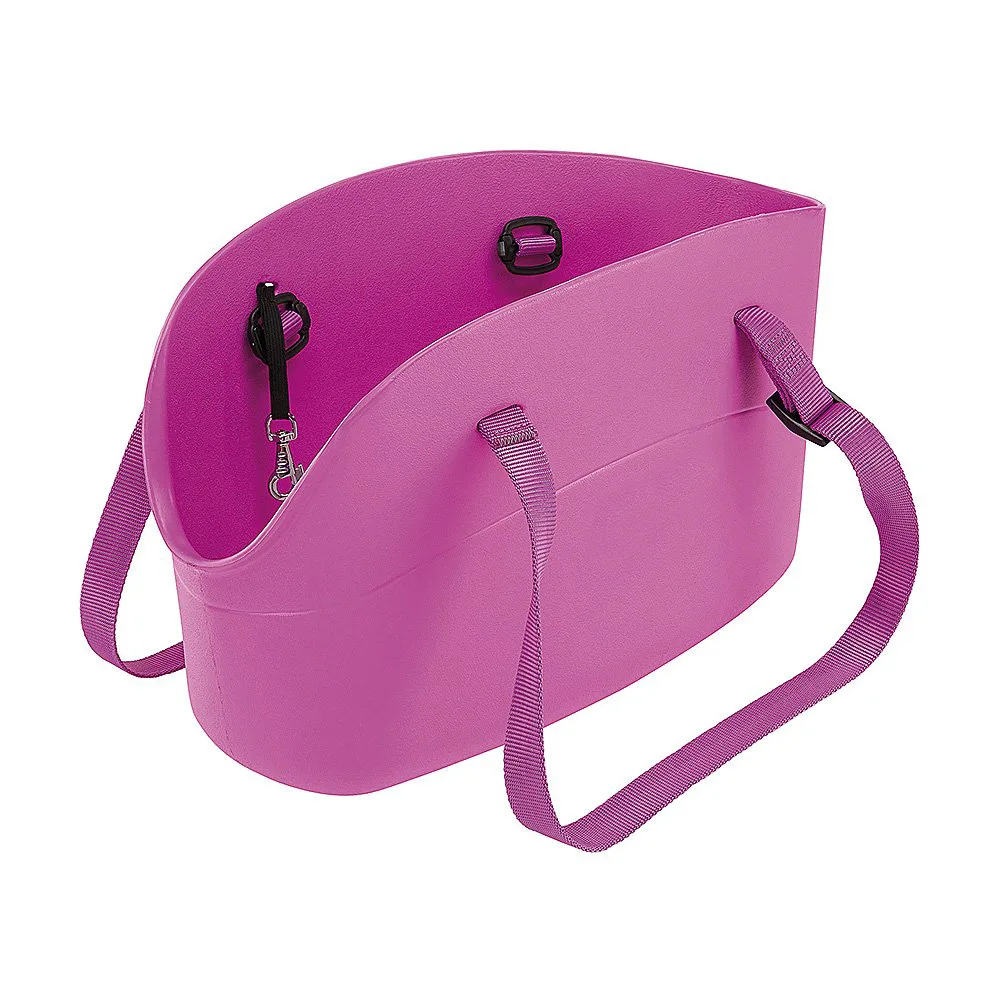
Where Weight Actually Comes From in a Small Hook
Component weight is concentrated in three places and the obvious one is not the largest. Section thickness at the throat is the main contributor, because that is where the part is fullest. The eye and the gate together often weigh more than the body, because both carry geometry that cannot be reduced without changing function. The finish adds a small but real amount, particularly a thick plate.
Saving weight therefore means thinning the section, simplifying the eye and choosing a lighter finish, in that order. Each has a cost: thinning reduces load class, simplifying the eye changes how the tape sits, and a lighter finish reduces corrosion protection. The budget approach makes those trade-offs explicit rather than accidental.
The assembly matters more than the component. A hook, a ring, a slider and two end caps on one strap can outweigh the hook several times over, so the biggest saving available is usually removing a component rather than lightening one. Ask whether every piece of hardware on the strap earns its place.
Testing should follow the lighter specification rather than the previous one. A thinner section has a lower load class even when it looks identical, and a re-test is the only way to know what the new number is.
Removal is the most underrated saving technique in the whole weight conversation. Every strap in a typical range carries hardware that was added by habit rather than by decision, and deleting one component usually saves more than lightening four. Walk the strap from end to end at the design stage and require a reason for each piece that stays, because the cheapest component is the one that is not there.
The weight budget should be revisited whenever fabric changes, because the two are coupled. A heavier shell absorbs saving that was meant to come from hardware, and the product ends up no lighter than before despite the component work. Re-baseline the budget after any material change and the saving stays real rather than theoretical.
Accessory weight counts toward the same budget and is frequently forgotten. A lightweight carrier carrying three heavy accessories is not a lightweight system, and the customer experiences the total rather than the product. Include the accessory set in the weight target and the claim holds in the situation where it is actually tested.
Anodised Colour: Building a Lightweight Hardware Palette
Anodising is the reason to choose aluminium, because it is the only family that takes saturated brand colour properly. The colour sits within the surface layer rather than on top of it, which makes it far more durable than a printed or painted finish and gives a lightweight range a palette that competitors using plated steel cannot match.
Palette discipline matters more with colour than with tone. A hardware palette of three colours plus one seasonal accent gives a collection room to move without fragmenting, and it keeps the anodising setup charges contained. More colours than that and the per-colour minimum starts to dominate the economics.
Colour reference should be physical rather than digital. Anodised colour shifts with alloy and with bath conditions, so the only reliable standard is a retained sample referenced to a code. Colour standards are maintained by Pantone, and naming the code alongside a retained physical chip prevents the argument about whether a delivery matches.
Batch variation is the operational risk. Two anodising runs of the same nominal colour can differ visibly when components sit next to each other on the same product, so require that all hardware on one style comes from one run, and record the run reference with the order.
Finally, consider how the colour reads against the fabric under retail lighting. Saturated anodised colour is striking in daylight and can go flat under warm store light, so check the pairing in the environment where it will actually be sold.
Accent colours are worth planning for from the first season rather than adding later. A capsule drop in an accent hardware colour is one of the most effective ways to signal newness without redesigning the product, and it works only if the base palette was designed to accept an accent. Leave that space deliberately and the capsule becomes a colour decision rather than a tooling one.
Setup charges for anodised colour are the practical limit on palette size, and they are worth understanding before the palette is designed. Each colour carries its own bath setup, which means the fourth colour costs proportionally more than the third. Design the palette with that step in mind and the range gets the variety it needs without paying for colour it will not repeat.
Colour retirement should be planned at the same time as colour introduction. Deciding in advance which accent will be dropped prevents the accumulation of a dozen low-volume colours, each carrying its own setup and minimum, and keeps the palette manageable as the range grows.
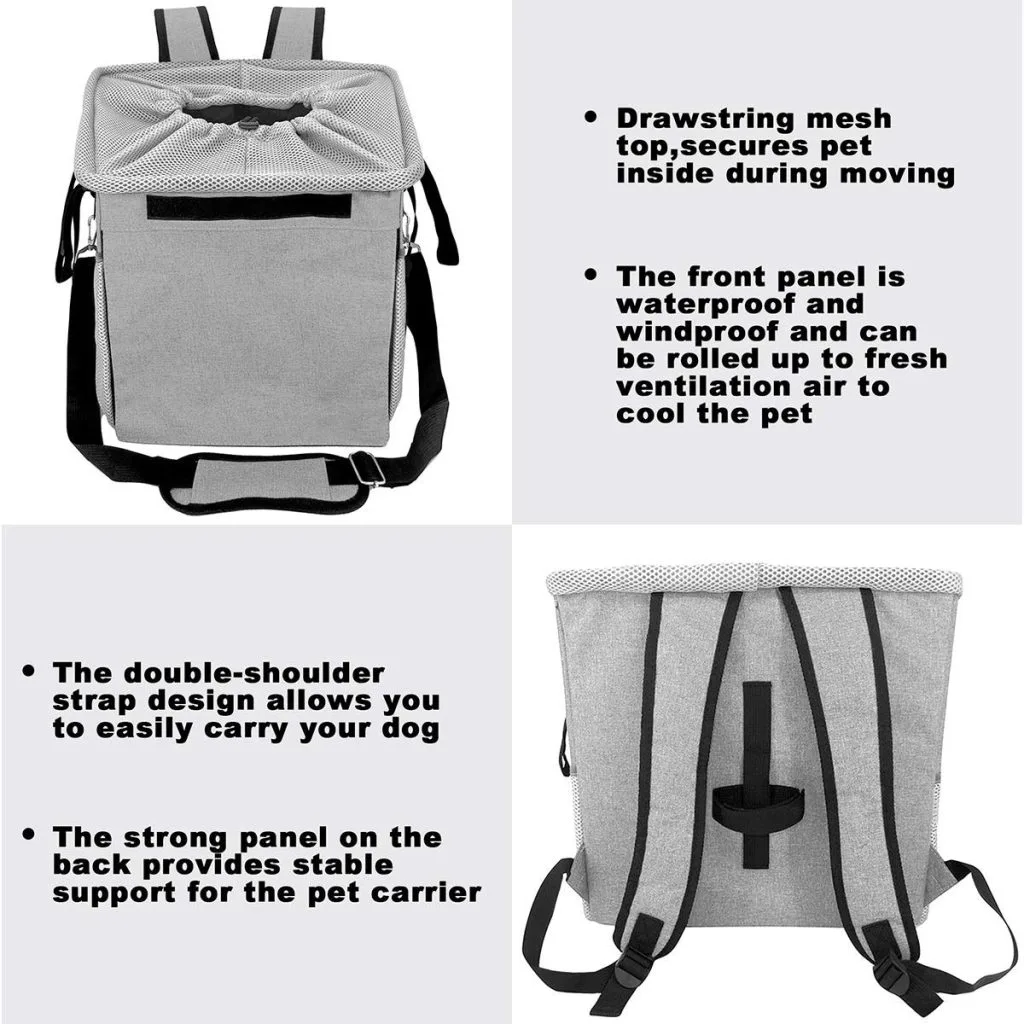
Comfort and Silence: The Two Benefits Customers Notice
Customers rarely mention aluminium or polymer by name, but they mention the two properties those materials deliver. A product that is easy to lift gets described as comfortable; one that does not click and rattle gets described as quiet. Both descriptions appear in reviews far more often than any technical specification, and both come from hardware choices.
Silence is worth engineering deliberately. Metal-on-metal contact at every attachment produces a small soundtrack that accumulates over a walk, and the fixes are cheap: a polymer sleeve, a tighter tolerance, or simply choosing a polymer component where the load allows. Any of the three removes a complaint category.
Balance is the other comfort variable. Heavy hardware at the end of a light strap pulls the whole assembly out of position and makes the product feel worse than its total weight suggests. Distributing weight toward the body rather than toward the extremities is a design decision that costs nothing and is felt immediately.
Packaging should carry the claim. One line naming the total product weight, measured rather than estimated, converts all of this work into something a shopper can evaluate on a listing page, and it is one of the few hardware decisions that translates directly into a comparable number.
There is a sizing link between comfort and weight that is worth stating. A larger product carries more hardware and therefore more accumulated weight, so the benefit of a lightweight system grows with size rather than shrinking. Ranges that adopt lightweight hardware for their largest categories see the clearest review response, which is a useful argument when the budget is being allocated.
Care and cleaning instructions should follow the lightweight material rather than the category default. Anodised aluminium and polymer both tolerate different treatment from plated steel, and instructions written for the heavier material can shorten the life of the lighter one. Align the care label with the component and prevent a class of avoidable complaint.
The final recommendation is to state the weight on the packaging as a measured figure rather than an approximate one. A printed number commits the range to holding it, makes any later drift visible, and gives the shopper something comparable at the point of sale.
Testing Lightweight Hardware Without Breaking the Budget
Lightweight components need the same test protocol as heavy ones, and skipping it is the fastest route to a failure. State the straight-pull value, the side-load value, the cycle count and the acceptable wear at the contact point, then test a random draw from the production lot. Four numbers, one page.
Wear testing matters more on aluminium than on steel because the material is softer. Cycle a sample against the ring it will actually meet, measure the section afterwards, and confirm that the loss is acceptable over the intended life. A soft component that wears quickly is a failure even though it passed a static test.
Cycle testing is the other priority, because a lighter section has less margin for fatigue. A stated cycle count at a stated load catches the problem before production rather than after a season of use.
Independent verification closes the loop. Testing through SGS, tied to a lot number rather than to a supplier statement, is the evidence that survives a challenge, and it should be requested with the delivery rather than with the quotation.
Cycle testing on polymer components should include a temperature range, because polymer behaves differently cold than a metal part does. A hook that cycles cleanly at room temperature can be noticeably stiffer near freezing, so specify the operating range and test at the bottom of it. It is one extra test and it prevents a predictable seasonal complaint.
Re-order discipline matters more for coloured components than for neutral ones, because a colour is easier to drift away from than a shape. Require that every delivery is compared against the retained physical chip rather than against a code, and that any visible deviation is raised before the goods are cut into production rather than after.

Cost, MOQ and Packaging Light Components
Lightweight hardware is not automatically cheaper, and the budget should be built from quotes rather than assumptions. Aluminium costs more per unit than plated steel, anodising adds a process, and coloured runs carry per-colour minimums. The saving appears in freight and in the customer experience rather than on the component line.
Our commercial envelope applies throughout: MOQ 500 units per colourway, samples in 6-10 working days, bulk in 35-50 days after written approval, inspection at AQL 2.5, T/T 30/70 and FOB Xiamen. Custom anodised colour is the item that can extend the window, and it should be booked before sample approval rather than after.
Freight is where lightweight pays back in cash. A few grams saved per unit becomes a meaningful reduction across a container, and on a product shipped by air for a launch it can be the difference between two cost bands. Ask for the packed weight difference and let it into the model.
Packaging for light components can be simpler, which is a second saving. Lighter hardware scuffs less in transit, needs less protective wrapping and allows a smaller insert, and those reductions compound across a range.
Air freight deserves particular attention in the cost model, because launch quantities frequently ship by air and the rate difference between weight bands is steep. A few grams per unit can move a shipment into a different band, and that saving sometimes exceeds the entire per-unit premium for the lighter component. Model both scenarios before deciding.
Modelled this way, the freight saving often exceeds the component premium, which is the argument that settles the decision internally.
Rolling a Lightweight System Across a Colour-Led Collection
Lightweight works best as a declared property of a collection rather than as a feature of individual styles. Say it in the line plan, allocate the weight budget, and let every category inherit the decision. A range that is consistently light reads as designed; one where some styles are light and others are not reads as inconsistent.
Colour is the natural partner. A lightweight aluminium system with a three-colour palette gives a collection a very clear identity, and it is an identity that photographs well because the hardware colour reads against both neutral and saturated fabrics.
Tiering is where restraint is needed. A heavy premium tier sitting inside a lightweight range confuses the story unless the difference is explained as capability for larger sizes, and even then it should share the same colour palette so the family resemblance survives.
The final discipline is documentation. One page in the line plan naming the weight budget, the hardware references, the palette codes and the test values keeps a lightweight system intact across seasons, size extensions and capsule drops, and prevents the slow drift back toward heavier default components.
The final recommendation is to publish the weight figure. A range that states the carried weight on the listing and on the packaging commits itself to holding that number, which makes later component drift visible to the brand as well as to the customer. That commitment is the most reliable long-term protection for a lightweight positioning.
The closing recommendation is seasonal restraint. Lightweight systems reward continuity, because the benefit accumulates across a range and across years, and a range that changes hardware every season never lets that accumulation happen. Decide the system once, defend it, and let colour and fabric carry the seasonal change instead.
Why brands source here
- Pet carrier programs run since 2014; founding team in sewn goods since 2004
- SGS-verified production floor of 4,950 m² with 137 workers across 7 lines
- Monthly capacity of 200,000 units, audited to BSCI and ISO 9001
People Also Ask
What is a snap hook?
A small clip with a spring-loaded gate used to attach a lead or accessory quickly, available in metal and polymer bodies.
How light can pet carrier hardware be?
Light enough that the whole product meets a declared weight budget, which is a system decision rather than a single component figure.
Are aluminium clips durable?
Yes for their load class, but they are softer than steel and will mark against harder mating parts.
What is anodising?
An electrochemical process that colours the surface layer of aluminium, producing a durable saturated finish rather than a coating.
Why does my carrier feel heavy?
Usually accumulated hardware and structure rather than any single part, which is why a weight budget works better than component swapping.
Can polymer hooks be colour matched?
Yes, pigment is added to the resin, though moulded colour takes pigment differently from dyed fabric.
Frequently Asked Questions
What is the lightest material for a snap hook?
Engineering polymer is lightest, followed by anodised aluminium. Aluminium is usually preferred because it takes saturated brand colour.
Is a lightweight hook strong enough?
Yes if the load class is specified and tested. A thinner section carries a lower load, so re-test rather than assuming the previous value still applies.
Why does my aluminium hook show grey marks?
It is softer than the steel ring it rubs against. Pair aluminium hooks with aluminium or coated rings to prevent the wear.
Can anodised colour be matched to my brand palette?
Yes, anodising takes saturated colour better than plating. Reference a physical chip and a standard colour code together.
How many hardware colours should one range use?
Three plus one seasonal accent is a workable palette. More than that and per-colour minimums start to dominate the economics.
Does lighter hardware reduce freight cost?
Yes. A few grams per unit becomes a meaningful reduction across a container, and more so on air freight for a launch.
What are the MOQ and lead times?
MOQ is 500 units per colourway, samples take 6-10 working days and bulk production runs 35-50 days after approval.
What does AQL 2.5 check on lightweight hooks?
Gate return force, colour conformance against the retained chip, dimensional checks and a random draw for load and cycle tests.
How do I stop hardware rattling?
Use a polymer sleeve, tighten the tolerance at the contact point, or specify a polymer component where the load allows.
Should I test wear on aluminium hooks?
Yes, more carefully than on steel. Cycle against the real mating ring and measure the section afterwards.
Is lightweight hardware cheaper?
Usually not per unit. The saving appears in freight, packaging and the customer experience rather than on the component line.
Can I mix a heavy tier into a lightweight range?
Only with an explained capability reason, and even then keep the same colour palette so the family resemblance survives.
Talk to QUANZHOU JUNYUAN BAGS about a pet carrier program: MOQ 500 pieces per colourway, samples in 6-10 working days, bulk production in 35-50 days under AQL 2.5 inspection.
Get a free quote Request a sample