Shoe Box Style: Rigid Box Format for Pet Carriers
A shoe-box style rigid box is a rectangular two-piece carton - base plus a lift-off lid with a 20-30 mm shoulder - built from 1.2-2.0 mm greyboard wrapped in printed art paper. It is the most shelf-efficient way to box a pet carrier: standard sizes stack in threes on a 300 mm shelf, cost USD 1.35-2.80 per unit at MOQ 500, and roughly 60 percent of customers keep them for home storage.
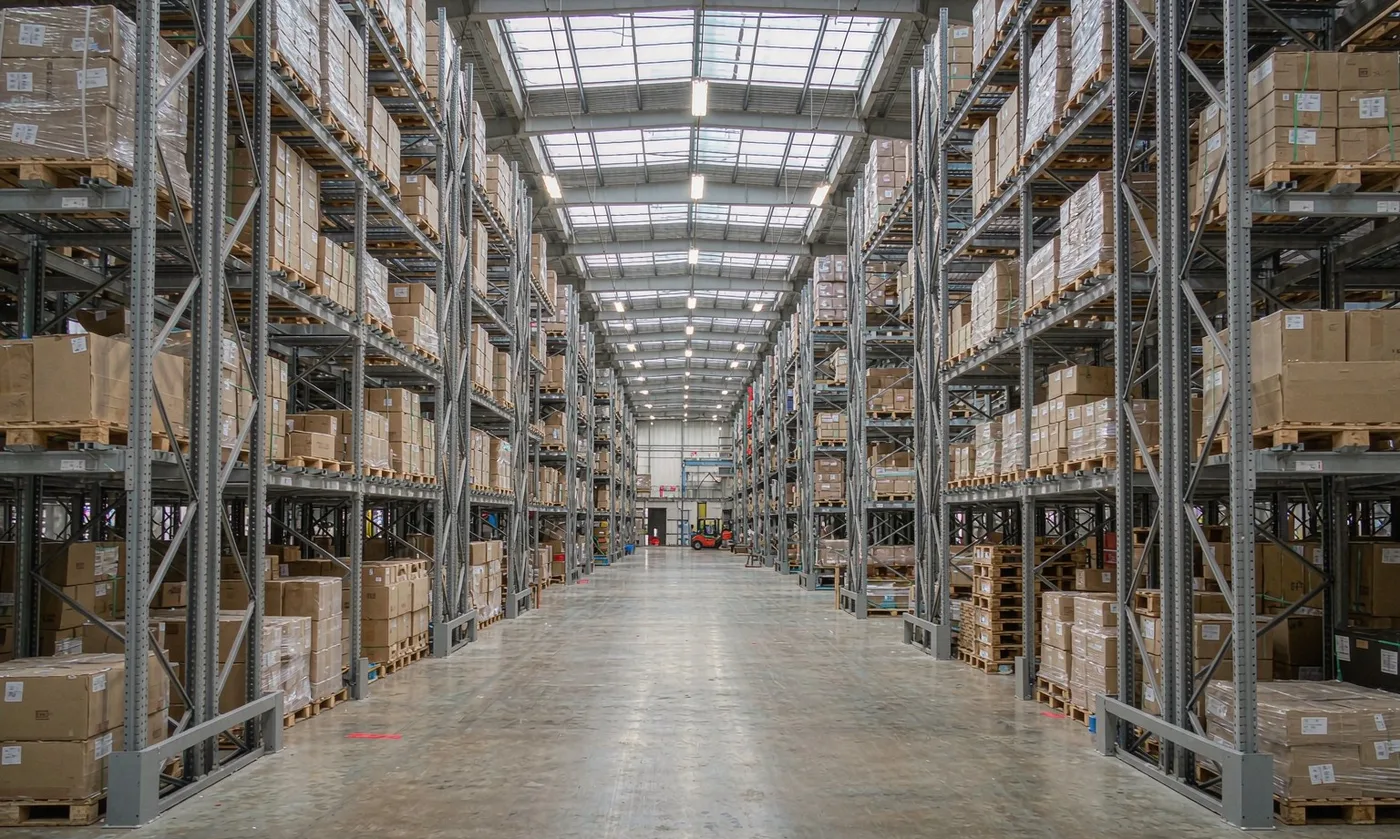
The rectangle is not laziness, it is the most merchandised shape in retail history. Shelves, warehouse racks, stockroom grids and the average wardrobe are all built around it, so a product boxed this way fits infrastructure nobody had to pay to change. For pet owners specifically, the format has a second life almost no other packaging achieves: it becomes the drawer where travel gear, harnesses and seasonal accessories live for years. This guide takes the technical decisions behind the rectangle - board, shoulder, wrap, end-panel labelling and storage behaviour - in the order a development team actually needs them, with numbers a supplier can quote against.
- Sampling: white dummy plus wrapped pre-production box in 6-10 working days.
- Minimums: MOQ 500 boxes per size; one structure can carry three different wrap prints.
- Schedule: conversion takes 12-16 days, booked alongside the carrier programme's 35-50 days bulk cycle.
- Quality: caliper, wrap registration and lid fit are inspected to AQL 2.5 against the approved sample.
- Terms: T/T 30/70, FOB Xiamen, boxes nested by size and palletised to keep corners uncrushed.
Private label pet bags put the buyer name on the label, the barcode and the carton print while our production team holds the pattern and any tooling.
Why the rectangular box still wins shelf space
Every retail decision about packaging is secretly a decision about fixtures. A rectangle uses shelf volume efficiently, stacks without racking, can be faced forward or stacked sideways, and survives being pushed along a shelf by staff and customers. Odd shapes - hexagonal, cylindrical, tapered - photograph beautifully online and then arrive in stores where they occupy 40 percent of usable space and roll when nudged.
The second advantage is psychological rather than structural. Customers have handled this format thousands of times, and familiarity removes friction: they already know how to open it, where to look for the size label, and how to put it back. None of that has to be taught, and nothing about the product category changes it - a pet carrier inside a shoe-box style rigid box is understood instantly in a way the same carrier inside a shaped presentation box is not.
For pet programmes specifically, three further arguments apply. Carriers are seasonal and stored for long stretches; boxes that stack in a wardrobe get used rather than recycled. Accessories scatter, and a rigid box gives customers somewhere obvious to put them. And size bands are wide, which suits a format where length can vary without redesigning the entire structure.
The rectangle also supports range architecture better than any alternative. Three size variants sharing one lid-depth standard look like a family on shelf, which is how customers perceive a brand rather than a product. Shoppers read consistency as confidence, and confidence supports price.
Where the format is weakest is the reveal. Lifting a lid off a box that sits flat on a table is a modest moment compared with a hinged or drawer construction. The compensating move is to make the first visible layer excellent - printed interior base, a folded tissue wrap, and the product lying flat rather than crammed - which costs almost nothing and restores most of the ceremony.
Structure: lid, base and the shoulder that makes it look designed
A two-piece rigid box consists of a base tray wrapped in printed paper and a separate lid that slips over it. The critical design detail is the shoulder: the height of base exposed below the lid edge. Set at zero, the box reads as a plain cube; set at 20-30 mm, it creates a horizontal shadow line that reads as intentional design and gives the fingers somewhere to grip. That single dimension is the cheapest way to make this format look expensive.
Lid depth matters next. Too shallow and the lid falls off during handling; too deep and it hides too much of the base panel, which is usually where size information sits. Roughly 25-35 percent of overall box height is the working range, adjusted upward for boxes that will be stacked heavily.
Corner construction separates good boxes from disappointing ones. Wrapped corners should be crisp and fully adhered, with the paper meeting neatly at the back seam. "Turn-in" quality is what the eye reads as quality: sloppy turn-in with visible greyboard at the corner is instantly registered as cheap, even when the print is excellent.
Add a lift aid for larger sizes. A semicircular finger notch in the lid front costs nothing beyond die design, while a ribbon lift adds roughly USD 0.12 and reads as more considered. Boxes over about 350 mm in any dimension benefit from one of the two, because customers otherwise prise the lid off with their nails and damage the edge.
Finally, spec the base structure for real loads. A single-wrapped 1.5 mm base is adequate for carriers up to roughly 1.5 kg; beyond that, or where three units will be stacked on shelf, either move to 2.0 mm board or add a hidden internal card reinforcement panel under the wrap at about USD 0.18.
Lid fit deserves separate measurement because it is the interface customers judge first. Too loose and the lid lifts during carrying, which feels broken; too tight and it takes two hands, which feels clumsy. Aim for a slip fit with roughly 1 mm of clearance per 100 mm of box length, then verify it at both extremes of the humidity range the programme ships into, since board and paper move at different rates.
Board caliper matched to product and stacking
Board thickness in rigid boxes is not only about strength; it is about how the box feels when picked up and how well it resists bowing when lifted from one end. Both behaviors matter here because this format is designed to be lifted repeatedly rather than opened once. The useful approach is to specify caliper from two inputs: contained weight and stack count.
| Contained weight | Stack on shelf | Recommended board | Feel when lifted |
|---|---|---|---|
| Up to 1.0 kg | 2 high | 1.2 mm greyboard | Light, crisp |
| 1.0 - 2.0 kg | 2-3 high | 1.5 mm greyboard | Firm |
| 2.0 - 3.5 kg | 3 high | 2.0 mm greyboard | Substantial |
| Above 3.5 kg | 3+ high | 2.5 mm or reinforced base | Structural |
Stack height interacts with humidity, and this is routinely missed. Board stored or displayed above 70 percent relative humidity loses meaningful stiffness, so a specification validated in a dry showroom can fail in a tropical store. When the programme ships into those conditions, step up one caliper rather than relying on the base calculation.
Weight itself deserves a check. A 1.5 mm box for a mid-size carrier typically adds 180-320 g to the shipped unit, which is real money in both inbound freight and last-mile delivery. Where the format is used across a whole range, ask the converter to model an alternative chipboard grade with equal caliper and lower grammage before committing - differences of 12 percent are common at the same nominal thickness.
Finally, confirm the wrap paper's basis weight. Below about 120 gsm the paper shows the board texture beneath it; above about 180 gsm it becomes difficult to fold cleanly at corners. Between those points is where every good rigid box sits.
Wrap papers: what survives shelf handling
The wrap is the visible surface and the first thing to fail. Standard options divide into four families, each with a different trade between cost, colour reproduction and scuff resistance.
Coated art paper is the default: bright, smooth, excellent colour, lowest cost. Its weakness is edge wear - a matte coated wrap scuffs visibly at the corners after modest handling, which is why matte lamination or aqueous coating is worth the extra USD 0.08 for anything shown on shelf rather than shipped straight out.
Uncoated textured paper gives a tactile, stationery-quality surface that ages gracefully because small marks are hidden in the texture. Colour reproduction is softer and plates are the same cost, but the inherent look is more premium than any amount of coating on art paper.
Kraft and recycled wraps suit sustainability-led ranges and carry debossing beautifully. Their natural colour means the printed palette must be built around them rather than fighting them - bright whites will not come back from brown base paper, and artwork built for a white background usually needs reworking rather than simple substitution.
Specialty papers, including metallic and iridescent stocks, cost significantly more per sheet, need hand wrapping in many cases, and should be reserved for limited runs where the premium can be carried. They also demand a different print approach - metallic stocks frequently need UV-cured ink, which changes cure time and cost.
Colour should be managed against a recognised reference rather than a screen. Specifying the wrap palette with Pantone values and approving physical drawdowns on the actual paper is the reliable route; our own guidance on converting Pantone and RGB values covers the common errors that occur when artwork arrives as screen colours only.
Whichever stock is chosen, approve it as a physical drawdown rather than a digital proof, because tactile papers change how ink sits and therefore how every colour reads. Keep one drawdown per finish combination in a retained file, and printed wraps three seasons apart will still match closely enough to sit together on the same shelf.
Labelling, facings and the sales floor in practice
In this format, one end panel does most of the commercial work. When boxes are stacked or shelved, customers see an end, so it should carry everything needed to buy: size in a large numeral, colourway name, pet weight range, and a barcode in a quiet zone. A deliberate facing hierarchy like this is what makes boxed product work in a self-service environment where nobody is there to explain anything.
Barcodes need practical care. Keep at least 4 mm of quiet space, orient them to read horizontally when the box is shelved in its intended position, and never place them across a wrap seam or within 8 mm of an edge where they will curve. A prevailing failure is placing a barcode on the lid top where it curves from one batch to the next - losing scan reliability in exactly the situation where the customer is ready to buy.
For shelf-stacked presentations, ask for the size numeral to appear on both ends and the lid front. This sounds redundant until someone restocks a shelf and every other box faces backwards; the second marking eliminates an entire category of staff confusion and abandoned sales.
Surface durability is the other practical point. Shop queens - units handled repeatedly in store - take visible damage within weeks. Specifying either matte lamination or a robust aqueous coating on the wrap holds appearance through the whole season, and the cost is usually recovered in fewer marked-down units.
Finally, plan the point where the box becomes storage. If pet owners are expected to keep it, put the important information somewhere it still reads after the labels are applied: inside the lid rather than only on the outside, where it will survive years of wardrobe life and continue to identify who made the product.
The second life: boxes customers keep
Nearly every other packaging decision in this guide is about the first five minutes. This one is about the next five years. A rigid rectangular box with a clean lid does not get thrown away by most pet owners - it gets put on top of a wardrobe, slid under a bed, or stacked beside other gear boxes. Every time it is opened, the brand is present, and nothing else in the marketing budget achieves that frequency.
Three specification choices increase the chance of being kept. First, structural integrity: a box that has lost its shape is a box headed for recycling, so board and corners matter more here than print does. Second, restraint: restrained one-colour print with a single motif looks appropriate in a bedroom, whereas busy graphic wrapping is eventually hidden. Third, no permanent external labelling that cannot be removed - printed size numbers rather than sticky labels, preferably.
Dimensions decide whether the box earns wardrobe space. Anything much above 550 mm in its longest direction stops fitting standard shelving in most homes, and a box that fits nowhere gets recycled rather than kept. Where a large carrier genuinely demands a bigger box, design the range so two smaller sizes stack neatly beside it and the customer keeps a set rather than one awkward object.
Print inside the lid as well. It is the single surface visible every time the box is opened over those years, and it costs about USD 0.10. A short line, a care reminder or a contact route is enough; anything longer is ignored.
The retail economics follow. Boxes retained at home produce what amounts to free display inventory, and they also reduce the chance of an unbranded secondary purchase later. In ranges where the product is stored for months between uses - seasonal travel carriers are exactly that - this argument is strong enough to justify the format on its own, independent of shelf presentation.
One caution: do not over-invest expecting this outcome with the cheapest board available. Cheap rigid boxes delaminate, lose their corners, and get discarded - and then the program pays for presentation that never delivered the retention benefit.
Cost model and where the money actually goes
Rigid box pricing in this format breaks into three roughly equal parts: board and wrap material, conversion labour, and setup amortised over the run. Understanding that split tells you which levers exist. Negotiation barely moves any of them; structural simplification and run size move two of three substantially.
| Quantity | Mid-size box, matte wrap (USD) | + 1 colour interior print (USD) | + textured paper (USD) |
|---|---|---|---|
| 500 | 2.05 | 2.20 | 2.55 |
| 1,000 | 1.62 | 1.75 | 2.05 |
| 3,000 | 1.38 | 1.50 | 1.78 |
| 10,000 | 1.22 | 1.33 | 1.58 |
Setup is the hidden driver below about 1,500 units. A cutting die runs USD 150-260 for this shape, plates add USD 45-80 per colour, and machine make-ready consumes material on every changeover. Consolidating three colourways onto one wrap stock while varying a single printed motif removes most of that.
Freight then decides between alternatives. Shipped assembled, these boxes charge volume whether or not they are full, adding roughly USD 0.40-0.85 per unit on ocean and inbound legs. Fold-flap or collapsible variants addressed elsewhere in this series - see our notes on collapsible folding boxes - solve this but lose some rigidity, which matters if the second-life argument is part of the strategy.
Budget line to watch: none of these numbers include inserts. A simple folded card cradle adds USD 0.25-0.45 and is usually necessary for a soft product, since without it the carrier shifts and arrives compressed at one end. Programmes often learn this slowly: the first shipment looks correct, and three weeks later every display unit has settled visibly downward, at which point fixing it means repacking rather than reprinting.
Consistency across the range
The strategic advantage of this format shows up when a range grows. Standardise three things and everything downstream becomes cheaper: lid depth, shoulder height and the position of information on end panels. With those fixed, adding a size is a drawing change rather than a development project, and the whole family reads as one system on shelf.
Colour coding by size is a particularly effective application. Assigning each size a dominant wrap colour while keeping the structure identical lets staff and customers identify the right box from several metres, and it means a single print layout is reused with one plate change per variant.
Limited and seasonal variants follow naturally. Keeping the same box structure while changing wrap print - a metallic stock for the holiday edition, a co-branded wrap for a collaboration - keeps tooling constant and lets small quantities be run economically, since the only new cost is the plate and possibly the paper stock. Our companion piece on exclusive drop planning covers the commercial side of that approach.
Guard against drift though. Over four seasons, small compromises accumulate: a slightly heavier product needs deeper board, a new retailer wants a different barcode position, an urgent run uses substitute paper. Keeping a dated master drawing and rejecting ad-hoc variation is the only reliable defence, and it is the difference between a range that looks designed and one that looks sourced.
Documentation standards reinforce it. Programmes operating under recognised quality systems - our own since 2014 under BSCI and ISO 9001 - keep material declarations and board certificates on file, which is what allows a box made three years later to actually match the original.
Tolerances, inspection and getting the first order right
Start every programme with a white dummy in unprinted board built to agreed internal dimensions, packed with a real production unit. It costs very little and answers the questions that actually matter: can the product be lifted out by its strap, does the lid go on without resistance, does the base bow when carried from one end.
Then specify numbers. Internal dimensions within +/- 1.5 mm, board caliper within +/- 0.2 mm, wrap registration within 0.5 mm of the die line, and lid release force between 8 and 25 N - tight enough to stay shut during transport, loose enough not to feel stuck. All four are measurable with basic equipment, which is the whole point.
Inspect two behaviours that correlate most strongly with complaints. Corner turn-in should be complete with no greyboard visible from 300 mm; and the base should hold shape when lifted one-handed from a single end for five seconds. Both take seconds to check and reveal most production problems.
Incoming lots are then examined to AQL 2.5 against a signed pre-production sample, with critical classification for delaminated corners, crushed board, wrong print or a lid that will not seat. Minor categories cover slight print variation and small surface marks outside the main visual field. Retain two samples per order; when the fourth reorder arrives, having the original in hand settles questions no drawing can.
A practical final step: keep twenty boxes back from the first delivery and store them as the range will be stored - stacked, in ambient conditions, for three months. Whatever changes about them during that time is what customers will experience, and knowing before the second order is worth more than any inspection report.
Why brands source here
- Pet carrier programs run since 2014; founding team in sewn goods since 2004
- SGS-verified production floor of 4,950 m² with 137 workers across 7 lines
- Monthly capacity of 200,000 units, audited to BSCI and ISO 9001
People Also Ask
Is a rigid box better than a folding carton here?
For shelf presentation and post-purchase storage, yes. Folding cartons win on freight cube and cost, losing on rigidity and the second-life argument.
How many units should the first order cover?
Moving from 500 to 1,500 usually cuts unit cost by around 20 percent because setup is amortised further. Plan early rather than reordering at minimum repeatedly.
Can the lid include a finger notch?
Yes, and it costs nothing beyond die design. Above about 350 mm in any dimension it prevents customers prising lids off with their nails and damaging edges.
Does colour differ between art paper and kraft wrap?
Markedly. Kraft absorbs ink and desaturates by roughly 10-15 percent, so artwork built for white stock needs reworking rather than substitution.
Should sizes be colour coded?
Yes. Assigning a dominant wrap colour per size lets staff and customers identify the right box from across the store with a single plate change.
Why do some boxes arrive with bowed bases?
Insufficient caliper for the contained weight combined with single-end lifting. Either step up board or add a hidden card reinforcement panel for about USD 0.18.
Frequently Asked Questions
What board thickness suits a shoe-box style rigid box?
1.2 mm up to about 1 kg of contained product, 1.5 mm for 1-2 kg, and 2.0 mm above that or wherever three units will be stacked. Humid climates justify stepping up a grade.
How much does this box format cost?
Roughly USD 2.05 per unit at MOQ 500 falling to USD 1.22 at 10,000 for a mid-size matte-wrapped box. Interior print adds about USD 0.15 and textured or specialty paper USD 0.50.
What is the shoulder and why does it matter?
The exposed height of the base below the lid edge. At 20-30 mm it creates a shadow line that reads as intentional design and gives fingers somewhere to grip; at zero the box looks like an undifferentiated cube.
Which lid depth should be used?
About 25-35 percent of total box height. Shallower lids fall off in handling, deeper ones conceal the base panel where size information usually sits.
Should the barcode go on the end or the lid?
The end, horizontally oriented with a 4 mm quiet zone and at least 8 mm from any edge. Lid tops curve slightly between batches, which reduces scan reliability exactly where the customer is ready to buy.
How do I stop the wrap scuffing in store?
Use matte lamination or a robust aqueous coating for about USD 0.08 per unit. Uncoated art paper scuffs visibly at corners within weeks on any shelf-stocked product.
Can three sizes share one structure?
Yes. Standardise lid depth, shoulder height and information position, then vary only length dimension and plate. This is the single most effective way to keep development cost flat as a range grows.
Do customers really keep these boxes?
Around six in ten are kept for storage when the box retains its shape and print stays restrained. That second life is a genuine and measurable brand-presence benefit.
What paper weight works for the wrap?
Between 120 and 180 gsm. Below 120 gsm the board texture shows through; above 180 gsm corners stop folding cleanly.
Should size appear more than once?
Yes. Put the numeral on both ends and the lid front so the box is identifiable however a shelf has been restocked. It costs nothing and prevents abandoned purchases.
Is an interior print worth it?
Yes, particularly given the storage second life. Interior surfaces are seen every time the box opens for years, at roughly USD 0.10-0.15 per unit.
How long does development take?
A white dummy in 6-10 working days, then 12-16 days for conversion after print approval. Book it with the programme's bulk 35-50 day cycle to avoid air-freighting packaging.
Talk to QUANZHOU JUNYUAN BAGS about a pet carrier program: MOQ 500 pieces per colourway, samples in 6-10 working days, bulk production in 35-50 days under AQL 2.5 inspection.
Get a free quote Request a sample