Telescoping Pet Carrier: Adjustable Length Design Guide
A telescoping pet carrier runs on a two- or three-stage tube frame that slides out to add 120-260 mm of usable carrying length and collapses again for transit, so a single SKU can cover two size tiers. At MOQ 500 the mechanism adds roughly USD 2.60-5.80 per unit depending on tube gauge, stage count and lock type, and it usually replaces two separate fixed-size tools in a launch range.
For a private label programme the appeal of telescoping geometry is not novelty, it is SKU compression. One adjustable chassis covers a size band that would otherwise demand two or three fixed tools, which lowers tooling spend, simplifies forecasting and hands a retail buyer one facing that answers more customer questions on shelf. The trade-off is mechanical: every added stage is another tolerance stack, another rattle risk and another warranty exposure, so the specification has to be settled before artwork is locked.
- Sampling: engineered samples built with production-grade tube and lock hardware in 6-10 working days.
- Minimums: MOQ 500 units per colourway; anodising and custom lock colours carry their own minimum lot.
- Schedule: bulk production runs 35-50 days after sample approval and deposit.
- Quality: extension force, lock engagement, deflection and finish are inspected to AQL 2.5.
- Terms: T/T 30/70, FOB Xiamen, tube sets packed in protective sleeving inside the master carton.
When a custom pet bag has to ship flat, the pattern changes: removable stiffeners and a fold line that does not crease the coated face.
What a telescoping frame actually solves
When a brand team asks for a telescoping pet carrier, what they usually want is not a longer bag. They want one product that stops losing the sale at the fitting boundary. Pet sizing is messy: a customer with a 6 kg dog and a customer with a 7.5 kg dog sit on either side of a fixed-size product decision, and a fixed-size range forces both of them to guess. A frame that travels 120-260 mm lets one chassis answer both, and that is a commercial argument a category buyer understands immediately because it reduces the number of facings needed to cover the same demand.
It is worth separating three different jobs that get bundled under the same word. The first is length travel: the carrier body literally gets longer, usually through a gusseted fabric section or a split shell riding on the tube. The second is handle travel: the tube extends so the user can wheel or carry without stooping, while the pet compartment stays the same size. The third is height travel: a vertical extension used to add headroom for long-backed breeds. Each one puts different loads into the tube, and mixing them up at brief stage is the most common reason a telescoping sample comes back feeling loose.
Our production team treats the decision as a range architecture question before it is a hardware question. If the purpose is to collapse two size tiers into one SKU, the fabric body has to carry the geometry and the tube is only the spine that keeps it honest. If the purpose is wheeling comfort, the tube is the primary structure and the fabric body can stay simple. Writing that sentence into the brief - which one is structural - saves roughly two rounds of sampling, because it decides tube gauge, wall thickness and where the load path terminates.
There is also a brand angle that is easy to underuse. An adjustable-length product earns a naming and packaging story that a fixed size cannot: "one size, two fits," "grows with your dog," "fits the in-between." On a shelf where every competitor is shouting dimensions in centimetres, a single clear adjustability claim is often the only line a shopper reads. The mechanism should be specified so it can be demonstrated in one motion on the retail fixture, because the demo is the merchandising.
Choosing the tube: aluminium, steel and reinforced polymer
Tube material is the first decision and the hardest to reverse, because it sets the weight, the finish options and the deflection behaviour all at once. Anodised aluminium is the default for a reason: a 6063-T5 tube at 1.2-1.5 mm wall gives a stiff, corrosion-resistant spine at roughly 38-52% of the weight of an equivalent steel section, and it takes colour consistently, which matters enormously when the tube is visible through a design language rather than hidden in a sleeve.
Steel still wins in one specific case: very long travel. Once extension exceeds about 260 mm, aluminium deflection at the fully-open stop becomes noticeable under a 12 kg pet load, and the fix - thicker wall, larger diameter - starts to eat the weight advantage. Cold-rolled steel tube at 0.9-1.1 mm with a powder coat solves it, and the added 180-320 g is often acceptable because a long-travel product is usually a wheeled or trolley-adjacent format anyway, where the ground takes the weight.
Reinforced polymer - glass-filled nylon or a pultruded composite - is the third option and the one with the most brand potential. It cannot match metal on stiffness per millimetre, but it takes a moulded profile: oval cross-sections that resist rotation, integrated ribs that hide the lock, colour through the section rather than on it. For a fashion-led private label line where the tube is a visible design element, that freedom is worth more than the raw stiffness number, provided travel is kept to 120-180 mm and the pet load target stays under about 9 kg.
Whatever the material, the section geometry deserves more attention than it usually gets. Round tube is cheapest and spins inside its own collar unless a keyway is added. Oval or D-section tube cannot rotate, which removes a whole category of wobble complaint, and it costs roughly USD 0.35-0.70 more per unit at MOQ 500. Our production team generally recommends oval for any programme where the extended length exceeds 200 mm, because the rotation resistance is structural rather than cosmetic and it survives the abuse phase of testing far better.
Locking mechanisms: button, twist collar and lever cam
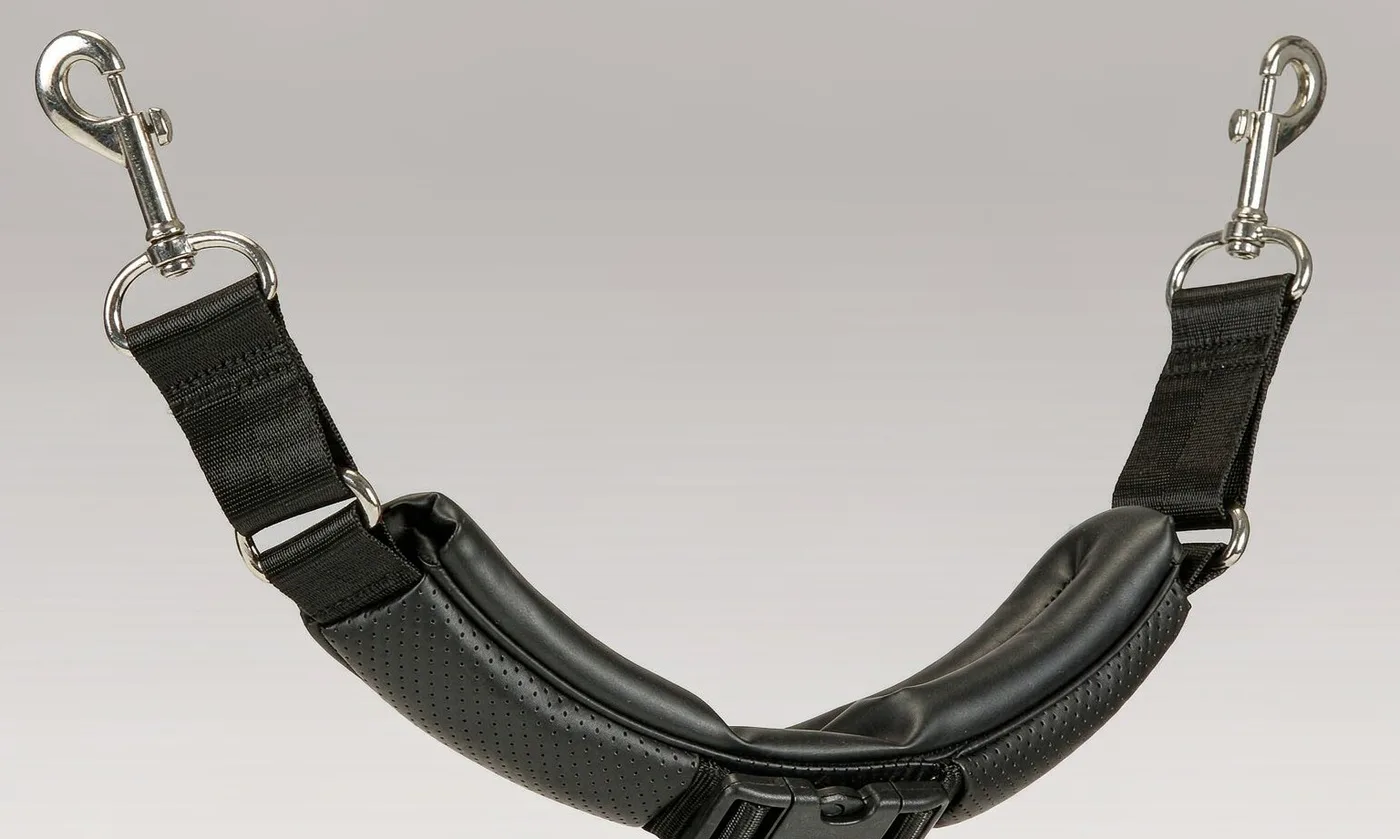
The lock is where a telescoping product either feels engineered or feels like a luggage handle from a discount bin. There are three families, and the right one depends far more on how the user is holding the carrier than on cost. A spring button - the classic push-pin through aligned holes - is cheap, familiar and gives discrete stops. It is ideal when the user has one hand free and can set the length deliberately, as with a wheeled format standing on the ground. It is poor when the adjustment has to happen while the pet is inside and both hands are busy.
A twist collar, sometimes called a cam collar, compresses a split sleeve around the inner tube. It gives infinite adjustment rather than discrete stops, which is the right answer when the tube is sizing the pet compartment: the user sets the length to the animal, not to a hole pattern. The weakness is creep. Under sustained vibration a collar can back off, and the fix is a secondary safety - a moulded tooth, a detent ramp or a spring-loaded half-turn - which adds roughly USD 0.45-0.90 per unit.
A lever cam is the premium answer. It is one motion, it can be operated with a gloved hand or a thumb while supporting weight, and it gives unmistakable tactile confirmation. Lever cams are also the most brandable: the lever is a visible, colour-matched, logo-capable part sitting right where the hand goes, and for a label positioning itself on design detail that hand contact point is prime real estate. Cost at MOQ 500 lands around USD 1.30-2.40 per unit depending on whether the lever is moulded or die-cast.
Two specification details do more for perceived quality than the lock choice itself. The first is over-travel stop: a hard mechanical stop that prevents the inner tube from being pulled completely out, plus a captive design so it cannot be reassembled wrongly. The second is engagement force, which we specify as a range rather than a minimum - typically 18-34 N to release - because a lock that is too stiff reads as broken and a lock that is too light reads as cheap. Both are verified on engineered samples before artwork is finalised.
Sizing the travel: extended length, collapsed length and pet proportion
Travel range is the number that ends up on the packaging, so it deserves to be derived rather than guessed. The cleanest method is to work backwards from the two size tiers being collapsed. If a fixed medium would be 430 mm internal and a fixed large would be 560 mm internal, the travel needs to be at least 130 mm of usable internal change - and because fabric gussets consume some of the tube travel in fold allowance, the tube travel should be specified at 150-165 mm to deliver 130 mm at the pet.
Collapsed length matters just as much and is more often forgotten. A telescoping carrier that collapses to 430 mm but has a tube stack that adds 60 mm at one end is effectively a 490 mm product in transit, which affects carton dimensions, air freight volumetric weight and whether it fits an airline under-seat gauge. The discipline is to specify all three numbers - collapsed overall, extended overall, and internal usable change - and put all three on the technical pack so nobody discovers the discrepancy at carton-sizing stage.
Pet proportion is the third input. Long-backed breeds - dachshunds, corgis, basset lines - need length more than height, and a telescoping spine that extends the floor is genuinely useful to them. Deep-chested breeds need volume at the shoulder and gain almost nothing from a longer floor. Designing the travel as floor extension versus full-section extension is therefore a breed-led decision, and it should be argued in the range review alongside the size chart rather than settled by whoever happens to be at the sampling meeting.
One practical rule has held up across many programmes: cap usable travel at about 35% of collapsed length. Beyond that, the extended geometry starts to look stretched rather than designed, the fabric gusset needs a support panel to avoid sagging into the pet space, and the extended product begins to read as a different, less premium object. Keeping the ratio under about a third preserves the silhouette in both states, and the silhouette is what the customer is buying.
Where the load goes: section modulus, wall thickness and deflection
A tube in bending is governed by section modulus, and the practical consequence is that diameter is worth far more than wall thickness. Moving from a 19 mm to a 22 mm round tube at the same 1.2 mm wall improves stiffness by roughly 45% while adding about 16% to the weight; getting the same stiffness by thickening the wall would cost considerably more mass. For a product where the user carries the weight, that trade is almost always worth making, and it is the single most effective lever available when a sample comes back feeling springy.
Deflection should be specified as a number rather than described as a feeling. A workable target for a hand-carried telescoping carrier is no more than 6-8 mm of vertical deflection at the extended end under a static 12 kg load applied at the pet compartment centroid, measured after a 60-second dwell. Anything over about 12 mm reads as flexing, and customers interpret flexing as "this will break," regardless of whether it will. Putting the number on the technical pack converts a subjective argument into a pass/fail check that can be run on the line.
The second load path is torsion, and it is what kills long extensions. When a pet shifts inside the compartment, the tube sees a twisting moment that a round section resists only through the collar friction. This is the real argument for oval or keyed sections in long-travel designs, and it is also the argument for a cross-member: a moulded bridge connecting the two tube legs at the extended end cuts torsional wobble dramatically for roughly USD 0.60-1.10 per unit and is nearly invisible in the finished product.
Finally, the tube has to terminate somewhere sensible. Loads that end in fabric tear fabric. Every telescoping design we build routes the tube end into a moulded or die-cut reinforced plate - typically 2.0-2.5 mm HDPE or a bonded nylon composite - which spreads the point load into the panel seam. Skipping this detail is the most common cause of field failures in adjustable products, and it is a classic example of a component that costs very little and prevents a very expensive return conversation.
Integrating the spine with fabric, panels and brand detailing
The tube is structure; the brand lives on the fabric. The interface between the two is where a telescoping design either looks deliberate or looks like a frame somebody sewed a bag around. There are three integration approaches, and they give very different visual results at similar cost.
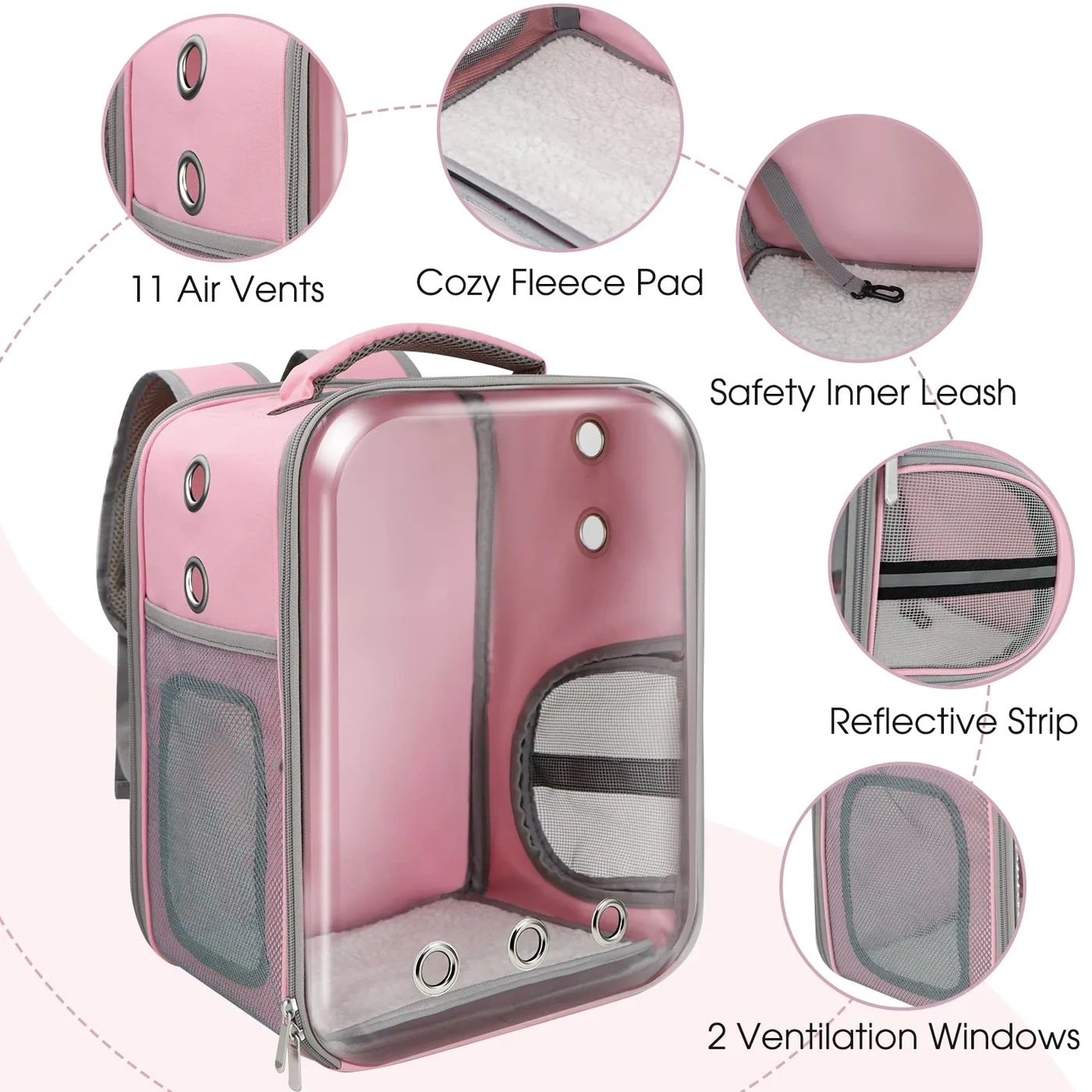
A sleeve hides the tube entirely inside a fabric channel. It is the cleanest look, it protects the tube finish in transit, and it lets the tube be a cheaper material because nobody sees it. The cost is bulk at the collapsed state and a slightly padded silhouette. A shroud covers only the collar and the top stage, leaving the lower tube visible as a deliberate design line - this is the strongest option for a technical or outdoor-adjacent brand language. An exposed tube is the cheapest and the most honest, and it works when the anodised or powder finish is treated as a colour in the palette rather than a hardware afterthought.
Whichever route is chosen, the fabric has to accommodate the movement. A gusset that extends 150 mm needs either an accordion fold with a support stiffener or a zippered expansion panel that becomes a design feature. Our production team prefers the zippered panel for brand reasons: the zip tape can carry a contrast colour, the pull can carry a logo, and the open state looks intentional rather than like a bag that has come undone. The accordion fold is cheaper by roughly USD 0.40-0.80 and better when the product must be wipe-clean with no zipper crevices.
Logo placement on an adjustable product has one trap worth naming. Anything applied across the moving zone - a print that crosses the gusset, a woven label bridging the expansion panel - either distorts at full extension or puckers when collapsed. The rule is simple: branding stays on static panels, and if a mark absolutely must cross the movement zone it goes on as a rubber or TPU patch with enough elasticity to travel. Silicone and rubber patches hold up here far better than embroidery, which tends to tighten and cup when the substrate stretches.
Colour matching deserves a line of its own because it is where adjustable programmes most often slip. An anodised tube and a dyed fabric panel are two completely different colour systems, and matching them by eye under office lighting is a reliable way to ship a product where the two elements disagree. We match tube finishes against Pantone reference standards and confirm under the same light booth conditions used for the fabric, because the tube is the element the customer's eye lands on first.
Testing the mechanism before you commit to tooling
Telescoping hardware is one of the few areas where a small test budget prevents a genuinely large failure. Four checks are worth writing into the programme, and none of them is expensive.
Cycle life. Specify 3,000-5,000 full extend-and-collapse cycles for a consumer product, run at a rate that mimics real use rather than a machine's maximum speed. The failure mode is rarely catastrophic; it is progressive loosening, visible as growing lateral play at the collar. Setting a post-cycle play limit - typically under 1.5 mm measured at the extended tip - turns "feels worn" into a measurable result.
Wobble and rattle. This is the complaint customers actually write about. A simple bench test with the carrier loaded to its rated pet weight and shaken laterally at 1-2 Hz will find rattles that a static inspection never will. The fix is almost always a moulded liner or felt channel inside the collar, costing cents, but it has to be designed in rather than added after the tube is already cut to length.
Temperature behaviour. Products shipped and stored across climates see real extremes. A polymer collar that is perfectly tight at 20 ℃ can stiffen enough at -5 ℃ to be difficult to release, and aluminium-to-polymer sliding interfaces change friction noticeably with heat. Testing at both ends of the expected range costs almost nothing and protects the warranty position in the coldest and hottest markets on the distribution list.
Finish durability. Anodised and powder finishes are checked for adhesion and abrasion, and the method is standardised - our partner facilities work to published test methods such as those maintained by ASTM International and to the SGS-verified production base inspection protocol used across the programme. For any product where the tube is visible, also specify a salt-spray or humidity check, because coastal markets and humid warehousing will find a marginal finish within a season.
Cost structure and the specification table
The cost of a telescoping programme is best understood as three stacked decisions: tube, lock and integration. Each has a budget version and a premium version, and the interesting thing is that they are not equally visible to the customer. Tube material is largely invisible. Lock feel is extremely visible. Integration style is very visible. When a programme needs to save a dollar, the right place to find it is usually the tube specification or the finish, not the lock.
| Configuration | Tube section | Usable travel | Rated pet load | Added cost at MOQ 500 |
|---|---|---|---|---|
| Budget two-stage, sleeve covered | 19 mm round, 1.0 mm steel | 120 mm | 8 kg | USD 2.60-3.20 |
| Standard two-stage, shrouded | 20 mm oval, 1.2 mm aluminium | 150 mm | 10 kg | USD 3.40-4.20 |
| Premium two-stage, exposed finish | 22 mm oval, 1.4 mm anodised aluminium | 180 mm | 12 kg | USD 4.60-5.80 |
| Three-stage long travel with cross-member | 25 mm oval, 1.2 mm steel, powder coat | 260 mm | 14 kg | USD 6.20-7.90 |
| Composite profile, moulded lock housing | Glass-filled nylon oval | 130 mm | 9 kg | USD 5.10-6.40 |
Read down that table and a pattern appears: cost roughly doubles between the budget and premium two-stage builds, and the difference buys visible finish quality, better lock feel and a meaningfully higher rated load. For a private label line positioned as design-led, the premium two-stage row is usually the right home because the tube is on show and the lock is in the hand. For a value tier, the budget row is entirely serviceable provided travel stays short and the sleeve hides the tube.
Two cost items sit outside the mechanism and are worth budgeting separately. Custom anodising colour typically carries a minimum lot charge that can dominate a first order at MOQ 500, and it is often smarter to run the first drop in a stock finish and move to a custom colour at reorder once volume is proven. Custom lock colours behave the same way. Both are decisions a brand manager should make knowingly rather than discover on the quotation.
Launching an adjustable product: what the buyer and the shopper need
An adjustable-length product changes the merchandising conversation, and the launch material should be built around that from the start rather than retrofitted. For the retail buyer, the argument is SKU efficiency: one facing covering two size tiers, a lower stock risk at store level, and a clearer answer to the fitting question that generates returns. That argument only lands if the packaging states the collapsed and extended dimensions plainly, so both numbers should be on the front of the box in millimetres and inches.
For the shopper, the argument is confidence. The reason people hesitate on pet carriers is the fear of buying the wrong size, and an adjustable product dissolves that fear only if the adjustability is demonstrated rather than described. A die-cut window or a side-panel illustration showing the two states costs very little in packaging and does most of the selling work at shelf. Online, the equivalent is a six-second clip of the extension motion - it is the single highest-converting asset for this product type.
Finally, plan the range, not the single product. A telescoping chassis usually justifies a three-colour launch because the mechanism cost is already sunk and the incremental spend is fabric and finish. Our production team typically recommends launching the adjustable SKU as the hero with one fixed size above and one below, which gives the adjustable product a clear role - "the one that fits the in-between" - instead of letting it cannibalise the size range ambiguously. That role clarity is what keeps the higher margin item selling rather than being traded down to the cheapest fixed option.
Order and quality terms
- MOQ 500 pieces per colourway; samples in 6-10 working days
- Bulk production 35-50 days after approval; AQL 2.5 inspection standard
- T/T 30/70 terms, FOB Xiamen, full document set per shipment
People Also Ask
What is a telescoping pet carrier?
A pet carrier built on a sliding tube frame that extends to add usable carrying length and collapses for transport, allowing one product to serve two size tiers instead of two separate fixed sizes.
Are adjustable length pet carriers durable?
They are durable when the tube section, wall thickness and lock are specified together and cycle tested. The common failure is progressive collar loosening, which is controlled by oval sections, moulded liners and a defined post-cycle play limit.
How much does a telescoping mechanism add to unit cost?
Between roughly USD 2.60 and USD 7.90 per unit at MOQ 500, depending on tube material, section geometry, stage count and lock type. Custom finishes add a separate minimum lot charge.
Do telescoping carriers work for long-backed dog breeds?
Yes, provided the travel extends the floor rather than only the height. Long-backed breeds need length at the base, so floor extension is the specification to ask for; deep-chested breeds benefit far less.
What maintenance does a sliding tube need?
Very little beyond keeping grit out of the collar channel. A moulded liner or felt channel reduces contamination, and the mechanism should not be lubricated with products that attract dust, which accelerates wear rather than preventing it.
Can the lock be branded with a logo?
Yes. Lever cam locks and twist collars both offer a moulded or die-cast surface suitable for a debossed or laser-marked logo, and the lever sits directly where the hand contacts the product.
Frequently Asked Questions
How much length does a telescoping pet carrier actually add?
Most production designs deliver 120-180 mm of usable internal length change for hand-carried formats and up to 260 mm for wheeled formats. Tube travel is always specified slightly above the delivered figure because gusset fabric consumes some movement in fold allowance.
Is a two-stage or three-stage tube better for a pet carrier?
Two-stage is the right default. It is stiffer, lighter, cheaper and has one fewer tolerance stack. Three-stage only earns its cost when the product needs more than about 220 mm of travel, which usually means a wheeled or trolley-adjacent format rather than a shoulder-carried one.
What rated pet load should the mechanism be specified for?
Specify at the top of the size band, not the middle. A range covering 6-9 kg should be engineered and tested at 10-12 kg, because pets move, and dynamic load from a shifting animal is meaningfully higher than static weight.
Can the tube be colour matched to the fabric?
Yes, through anodising for aluminium or powder coat for steel, matched to a Pantone reference and confirmed in the same light booth used for fabric approval. Custom anodising colours carry a minimum lot charge that can be significant on a first MOQ 500 order.
How is wobble at full extension controlled?
Three measures work together: an oval or keyed tube section that cannot rotate, a moulded liner inside the collar, and a cross-member bridging the tube legs at the extended end. Together they typically add USD 1.00-1.80 per unit.
What is the minimum order for a custom telescoping design?
MOQ 500 units per colourway for the carrier programme, with the tube and lock hardware sourced to match. Custom finishes such as bespoke anodising colours may carry a separate minimum lot charge from the finishing supplier.
How long does sampling and bulk production take?
Engineered samples using production-grade tube and lock hardware are turned around in 6-10 working days. Bulk production runs 35-50 days after sample approval and deposit, with inspection to AQL 2.5 before release.
Will an adjustable carrier still fit airline under-seat dimensions?
It depends entirely on the collapsed overall length, which is why that number must be specified alongside the extended length. Many airline gauges are published and change periodically, so the collapsed dimension should be checked against current carrier rules before packaging is printed.
Where should branding be placed on a telescoping product?
On static panels only. Marks crossing the expansion gusset distort at full extension or pucker when collapsed. If a mark must cross the movement zone, use a rubber or TPU patch rather than embroidery or a woven label.
How is the lock tested before production approval?
By engagement and release force measured as a range, typically 18-34 N, plus 3,000-5,000 extend-and-collapse cycles with a post-cycle lateral play limit, and release checks at the temperature extremes of the intended markets.
Does the added mechanism make the product heavier?
Yes, typically 180-420 g depending on configuration, with aluminium oval tube at the low end and three-stage steel at the high end. The weight is usually acceptable because it replaces the need to carry two size SKUs.
Can a telescoping frame be added to an existing carrier design?
Sometimes, but it usually requires re-engineering the base panel to accept a reinforced load plate. Retrofitting into an existing pattern is rarely cheaper than developing the chassis properly, and it tends to produce more sampling rounds.
Talk to QUANZHOU JUNYUAN BAGS about a pet carrier program: MOQ 500 pieces per colourway, samples in 6-10 working days, bulk production in 35-50 days under AQL 2.5 inspection.
Get a free quote Request a sample